Why Square Acoustic Tiles Aren't Always Enough for Office Corners
10/02/2026
It's common to see square-shaped sound-absorbing foam tiles used across various work environments. They're popular for a reason. They're easy to install and cover a lot of surface area. Still, when it comes to tight corners, these tiles frequently fall short. Corners don't reflect sound the same way as open walls do, and square tiles can leave behind gaps that hurt more than help.
Where Square Tiles Fall Short in Office Corners
Sound travels in waves, and when those waves reach a corner, they don't simply vanish. Instead, they collect and build up, especially lower-frequency sounds. Square acoustic tiles aren't shaped to manage this kind of build-up.
Even if you're covering enough surface, the shape and placement of the tile matter. Here's where square tiles struggle in corners:
They don't fit snugly, leading to gaps that let reflections escape
Their flat shape doesn't catch sound coming in from odd angles
Low-end noise, the type that hums and rumbles, tends to linger in corners more than along flat walls
The result is a mix of noise that feels harder to pin down. You might place enough tiles across your walls, only to realise the corners are where the echo lives.
Understanding Sound Reflection in Corner Spaces
Corners act like sound catchers, whether it's between two walls or where a wall meets the ceiling. The smaller the room or the more open the layout, the easier it is for noise to pile up in those tight angles.
Without proper coverage, corner areas take on a different sound quality. You'll find that:
Sound reflects at unusual angles and becomes harder to absorb
Shared offices or open-plan spaces carry noise diagonally, driving it straight into the corners
Less attention is given to where the ceiling meets the wall or where the floor meets the wall, which are frequently the most noticeable traps for echo
Ignoring these spaces means you only fix part of the problem. Even if the middle of the wall sounds better, the overall clarity in the room still feels cluttered.
Custom Panel Shapes That Work Better
To deal with sound piling up in corners, different foam shapes need to come into play. We use panels that do more than just sit flat against walls. If the room is going to sound better, it needs shapes that bend with the room.
These shapes include:
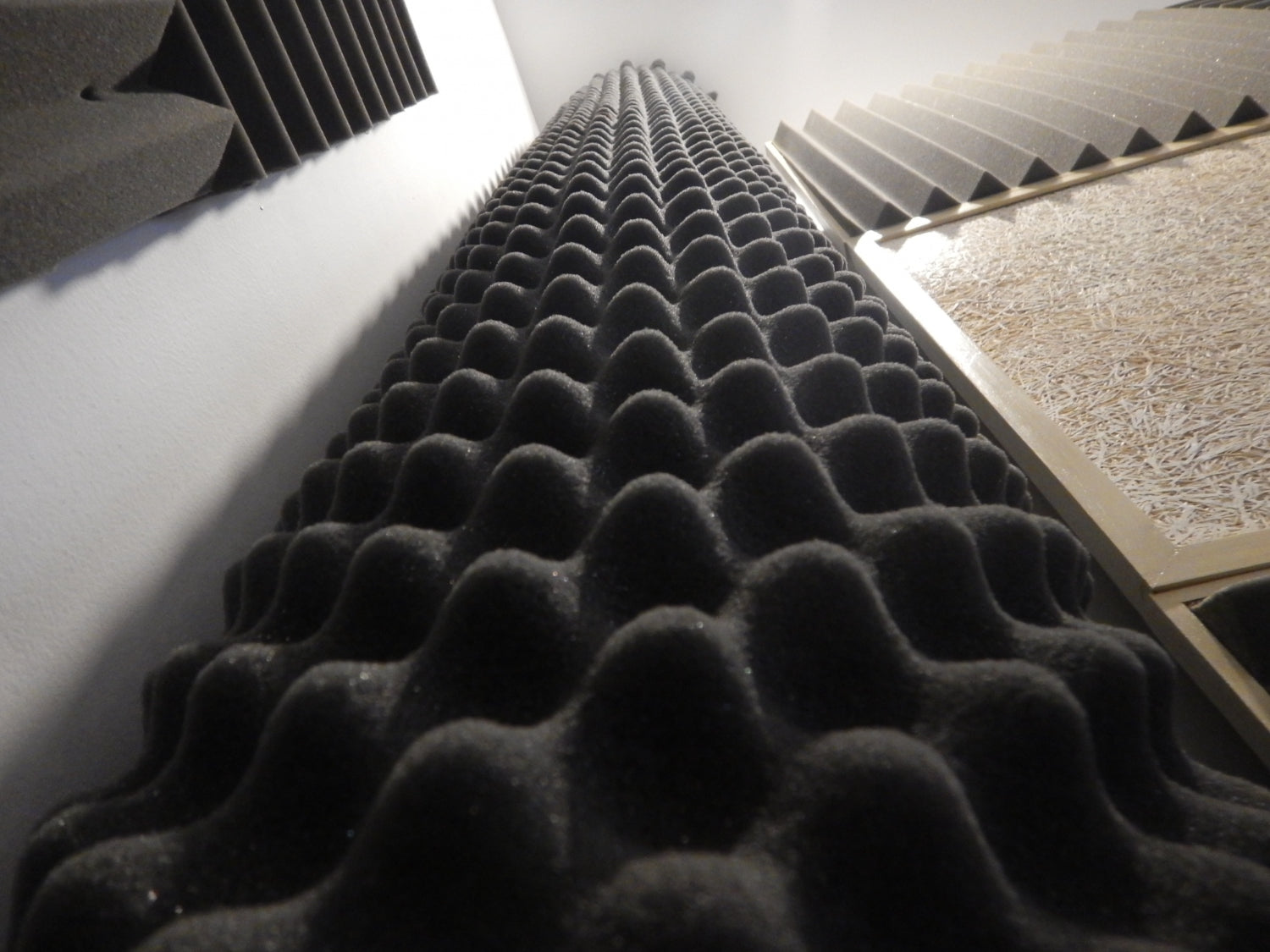
Wedge panels, which break up sound patterns before they bounce
Bevelled edges, which help guide noise away from corners
Corner bass traps, which are built for snug placement in edgesthat �others ignore
When placed properly, these panels absorb those tricky frequencies that flat panels can't touch. By mixing several kinds of acoustic foam, we can shape the whole room's audio feel instead of patching one part at a time.
Acoustic Panels That Blend into Office Design
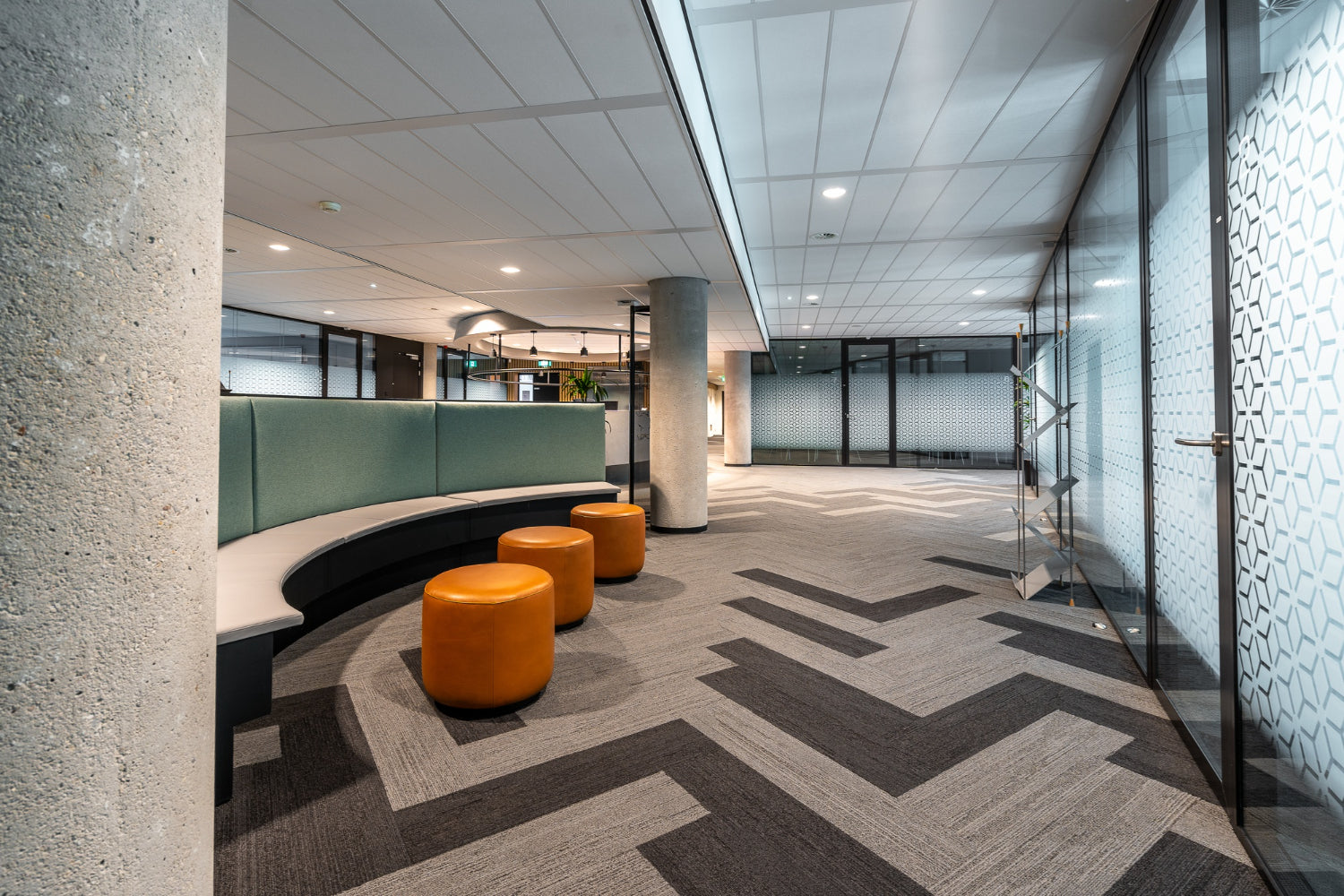
Improving sound doesn't mean you have to ruin the way your office looks. Today's office sound-absorbing panels are much more design-friendly than people expect. The fabric, the frame, even the shape can be matched to the room they're added to.
There are a few ways we help panels match your layout:
Rounded or soft-edged panels cut down on visual hard lines while softening noise
Colour-matched sound-absorbing foam can suit the tone of modern workspaces without standing out
Curved or custom-fit panels can slip into tricky areas like between joining walls, behind monitors, or near whiteboards
When sound-absorbing panels are part of the room instead of sitting on top of it, it becomes easier to focus without feeling boxed in by decorations that don't belong.
Smart Placement Beats Quantity
Just sticking more square tiles on the wall won't solve corner echo or muddiness. A better result frequently comes from using fewer panels but putting them in smarter areas.
We look at:
Where people sit and gather most frequently, so that panels can improve clarity in shared talk zones
Placing wall panels, ceiling baffles, and corner traps in a balanced way, not just blanketing open areas
Using foam shapes that speak to the frequencies where the biggest problems show up, rather than going for blanket treatment
Rooms don't need to be fully covered. They need to be mapped out based on how sound moves and where attention naturally goes.
Better Sound, Better Space Use
The way a room sounds can change how it feels. When corners are treated the right way, the sharp bounce is gone, and what remains is a softer, easier place to talk, meet, and focus.
Offices benefit when sound stays where it belongs. By shaping coverage in the right way and not just picking what looks easiest to install, we get more out of every room. And that makes working in it feel better for everyone.
By carefully considering the unique layout of each workspace, we ensure that every angle contributes positively to the acoustic ambience. A balanced application of foam shapes not only cuts down on heavy echoes but also creates an environment that supports productive conversations without unwanted interference. Every careful installation helps to re-establish a natural sound balance across the area.
Enhance your workspace sound with carefully selected materials that work in harmony with your room design. At Advanced Acoustics, we believe panels should complement the room rather than merely fill it.�
Addressing tight corners and uneven surfaces calls for choosing the correct shapes and placing them where they make the greatest impact. Discover how our acoustic tiles solve real-world noise challenges and transform your environment. Contact us today for expert guidance on designing a quieter, more successful workspace.
Previous: How to Stop Meeting Room Noise Travelling Through Shared Walls
Next: Guide to Choosing the Right Acoustic Foam Panels for Studio Setups
Visit the Advanced Acoustics Ltd website for more information on Why Square Acoustic Tiles Aren't Always Enough for Office Corners
ENQUIRY FORM