What Are Acoustic Foam Panels and How Do They Work?
27/05/2025
Imagine trying to have an important conversation in a room where every sound seems to reverberate endlessly. It's difficult to concentrate and even harder to communicate successfully. Acoustic foam panels help check that such scenarios are a thing of the past. By understanding their function and how they work, you can make informed decisions about integrating them into your own spaces.
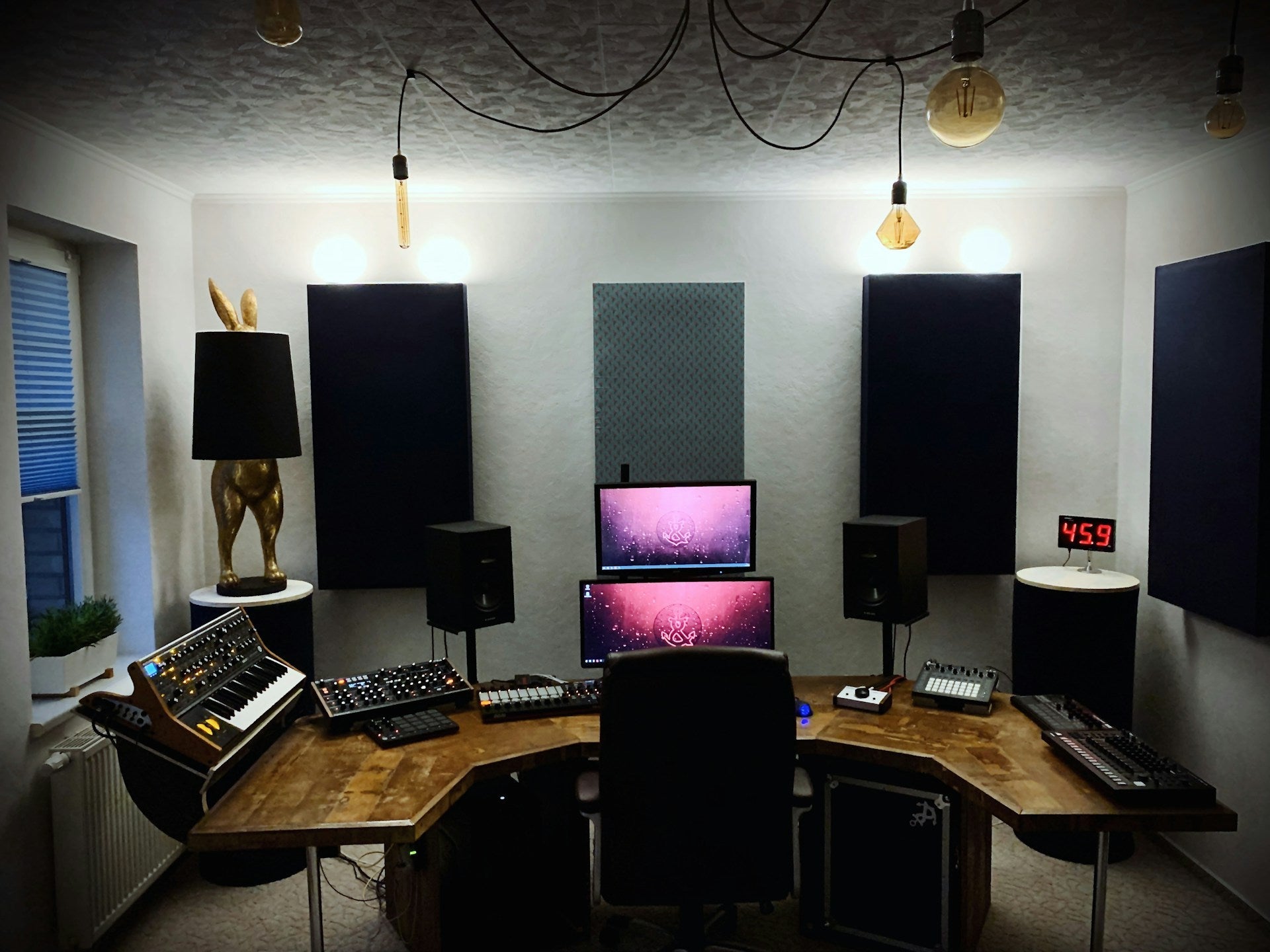
It's fascinating to see how such a straightforward solution can have a profound impact on daily activities, creating environments where conversations are clearer, music sounds richer, and overall levels of noise are considerably reduced.
What Are Acoustic Foam Panels?
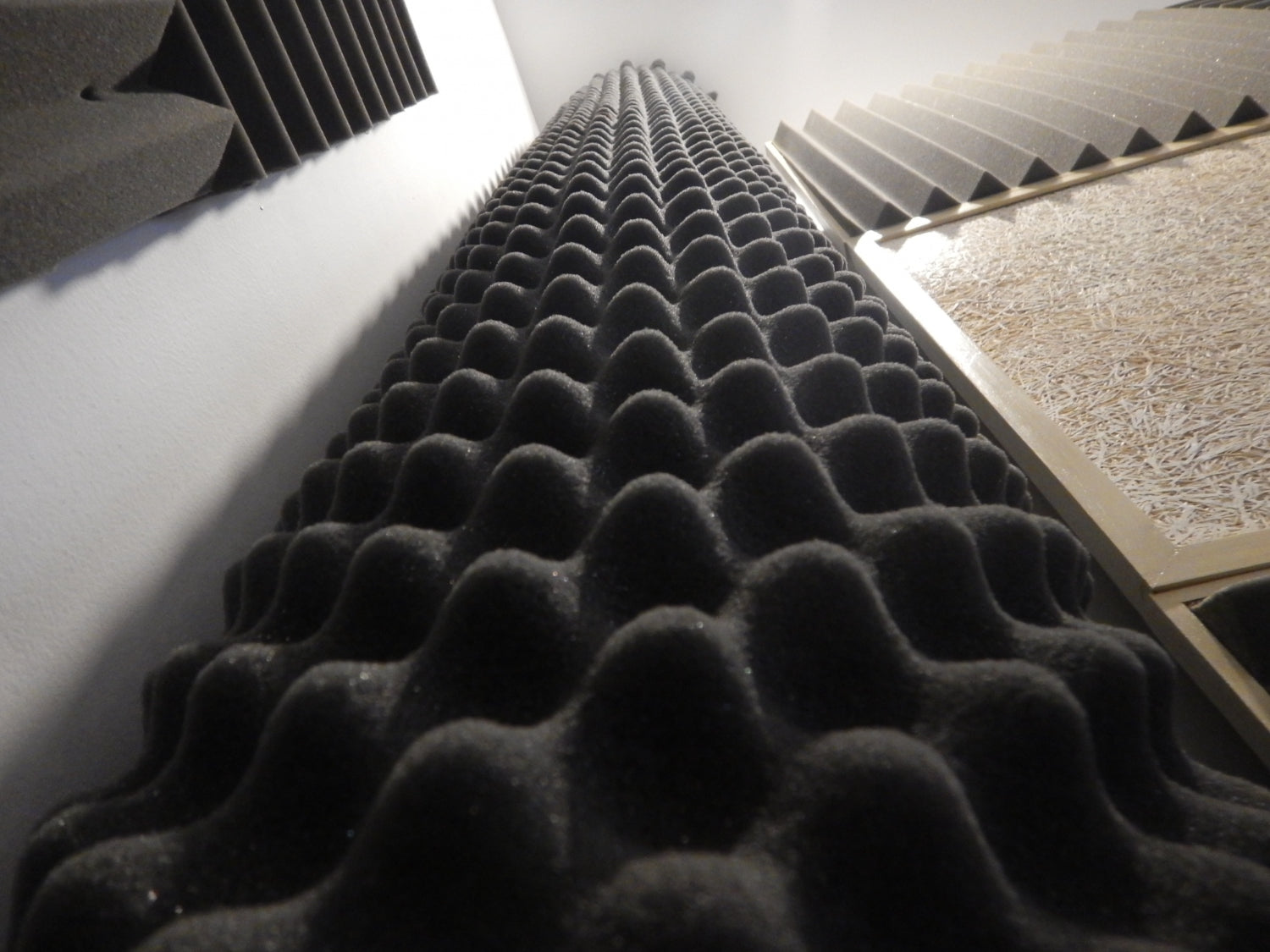
Acoustic foam panels are specialised foam products developed to manage sound within an enclosed space. Typically made from open-cell polyurethane, these panels are crafted to absorb sound and reduce reflections. Their main role is to diminish echo and prevent sound waves from bouncing around within a room, leading to improved acoustics and clarity.
Several shapes and sizes are on offer, each tailored to specific sound management needs. For example, wedge-shaped panels are common and highly efficient, designed to trap and dissipate acoustic waves successfully. With design options that include pyramids, eggshell, and flat panels, you have plenty of choices to fit both functional and aesthetic requirements.
Here are a few points to consider about how they function:
- Material Composition: Made from soft foam with an open-cell structure, these panels allow acoustic waves to enter and dissipate as heat energy.
- Versatility and Design: Available in various shapes, they can be installed in different patterns for both style and effectiveness.
- Installation Flexibility: Easily adhered to walls or ceilings using adhesives or clips, making them user-friendly for most settings.
Whether you're looking to set up a dedicated home theatre or improve the sound quality in your conference room, sound-absorbing foam panels offer a simple yet powerful option to sound problems. They allow you to control the acoustic properties within your space, ensuring that conversations run smoothly and can be heard without interference.
How Do Acoustic Foam Panels Work?
Understanding the science behind sound-absorbing foam panels helps in appreciating their efficacy in managing noise. These panels work on the principle of sound absorption. When sound waves hit a panel, the open-cell structure of the foam allows the waves to enter and become trapped. As they penetrate the foam, the energy is transformed into heat, which dampens the sound.
The design and structure play a significant role in how well these panels function. The shape affects the surface area exposed to sound, thus influencing their absorption capacity. For instance, pyramid and wedge designs are common as they maximise this surface area, trapping more sound. The material composition as well matters; the better the quality of the foam, the more successful it is at breaking down sound waves and reducing noise.
Acoustic foam panels address several kinds of noise problems. They help manage echoes, which are sound waves bouncing back and forth in a room, leading to a muddled auditory experience. Furthermore, they absorb background noise, promoting a clear and undisturbed environment. With these panels, spaces like offices and studios can achieve optimal acoustics, ensuring that activities like meetings or recordings proceed without auditory distractions.
Benefits of Using Acoustic Foam Panels
The adoption of acoustic foam panels brings numerous advantages. One notable benefit is the dramatic enhancement in sound quality. By reducing echoes and background noise, these panels make every sound sharper and more distinct. This leads to clearer conversations, more focused work environments, and enhanced audibility in music or film production settings.
Privacy is another important factor where sound-absorbing foam panels prove useful. They help in minimising distractions by absorbing incidental noise, making offices and shared spaces more conducive to concentration. Whether it's an office environment or a home theatre, these panels create a private acoustic bubble where focus and relaxation can thrive.
Acoustic foam panels find applications in various settings beyond studios and offices. They're increasingly popular in home theatres, creating an immersive experience by controlling reflected sound. They as well prove beneficial in classrooms, where clearer speech can aid learning. By incorporating these panels into different environments, one can achieve a balance of aesthetics and functionality.
Choosing the Right Acoustic Foam Panels for Your Needs
Selecting the right panels depends on several considerations, which ensures that your acoustic needs are met adequately.
- Room Size: Larger rooms may require more panels or denser foam to cover the room successfully.
- Type of Noise: Identify if the goal is to manage echo, reduce ambient noise, or both. Different shapes may be more suitable according to the noise problems.
- Aesthetic Preferences: Panels come in various colours and designs, enabling them to blend seamlessly with existing decor.
For effective placement and installation, consider the areas where noise is most prominent. Corners and reflective surfaces frequently benefit from additional sound absorption. Panels can be easily mounted using appropriate adhesives or clips, making the installation process straightforward.
Obtaining the right acoustic solutions involves assessing your specific requirements and choosing accordingly. With careful consideration and proper placement, sound-absorbing foam panels can considerably enhance the sound quality and comfort of any environment.
Enhancing Your Environment
These foam panels offer something valuable � peace of mind. They transform spaces from chaotic to calm, ensuring acoustic waves don't lead to distractions. By taking the time to add these elements to offices or homes, individuals and businesses alike can enjoy spaces crafted for concentration and comfort.
Discover how our expertly designed options can enhance your room and enhance audio quality. Explore our range of acoustic foam panels and see why Advanced Acoustics is trusted for well-made sound isolation materials. Create your ideal acoustic environment today.
Previous: Identifying and Fixing Acoustic Panel Installation Mistakes
Visit the Advanced Acoustics Ltd website for more information on What Are Acoustic Foam Panels and How Do They Work?
ENQUIRY FORM