Unlock the Magic of Acoustic Foam: Transform Any Space into a Quiet Oasis
12/08/2024
Acoustic foam works by trapping acoustic waves and reducing their ability to bounce around a room. This lowers the overall noise level and improves sound quality by minimising echoes and reverberation. This makes sound-absorbing foam an invaluable tool for anyone looking to improve their acoustic environment, from podcasters and musicians to homeowners and businesses.
Understanding how acoustic foam works and the benefits it offers may allow you to make an informed decision about whether it is right for your needs. Let's explore what acoustic foam is, its to
p benefits, how to choose the right type for your room, and offer a step-by-step guide to installation and maintenance.�
With this knowledge, you will be well-equipped to create a quieter, more more pleasant setting in any setting.
What Is Acoustic Foam and How Does It Work?
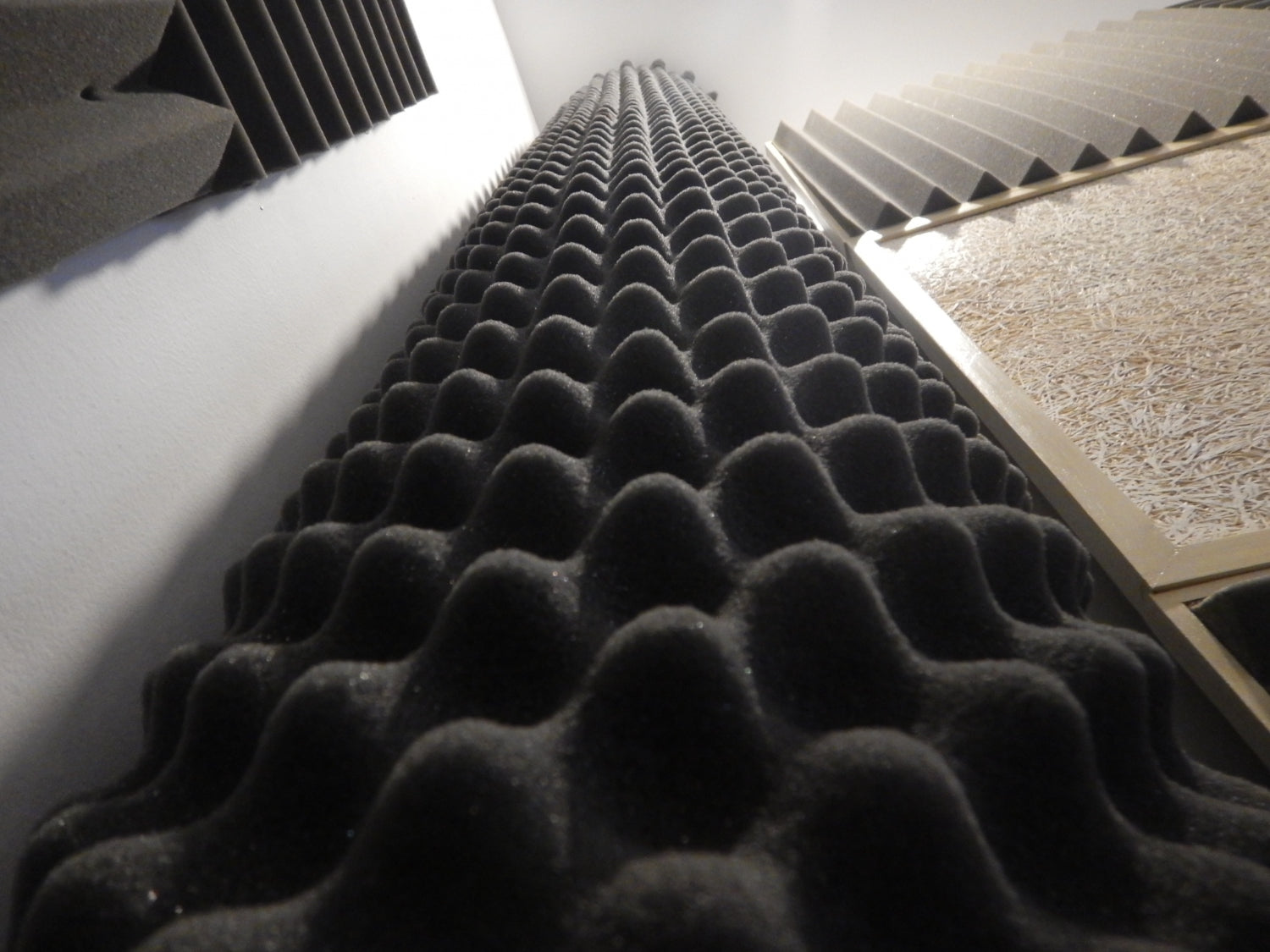
Acoustic foam is a specialised material designed to enhance audio quality and reduce levels of noise. It is usually made from polyurethane or other sound-absorbing materials that have an open-cell structure. This structure allows the foam to trap acoustic waves and prevent them from bouncing around a room. Acoustic foam comes in various shapes, including panels, wedges, and pyramids, each designed to target different frequencies of sound.
When acoustic waves enter a room, they bounce off hard surfaces like walls, floors, and ceilings. These reflections can create echoes and reverberation, making the room noisy and unpleasant.
Acoustic foam works by absorbing these sound waves, reducing their energy, and converting it into a small amount of heat. This process lowers the overall noise level in the room and improves sound clarity. By strategically placing acoustic foam in key areas, you can successfully manage reflected sound and create a quieter, more controlled acoustic environment.
Top Benefits of Using Acoustic Foam
Using acoustic foam offers several key advantages:
1. Noise Reduction: Acoustic foam significantly reduces unwanted noise, making it perfect for improving the acoustic environment in homes, offices, and studios.
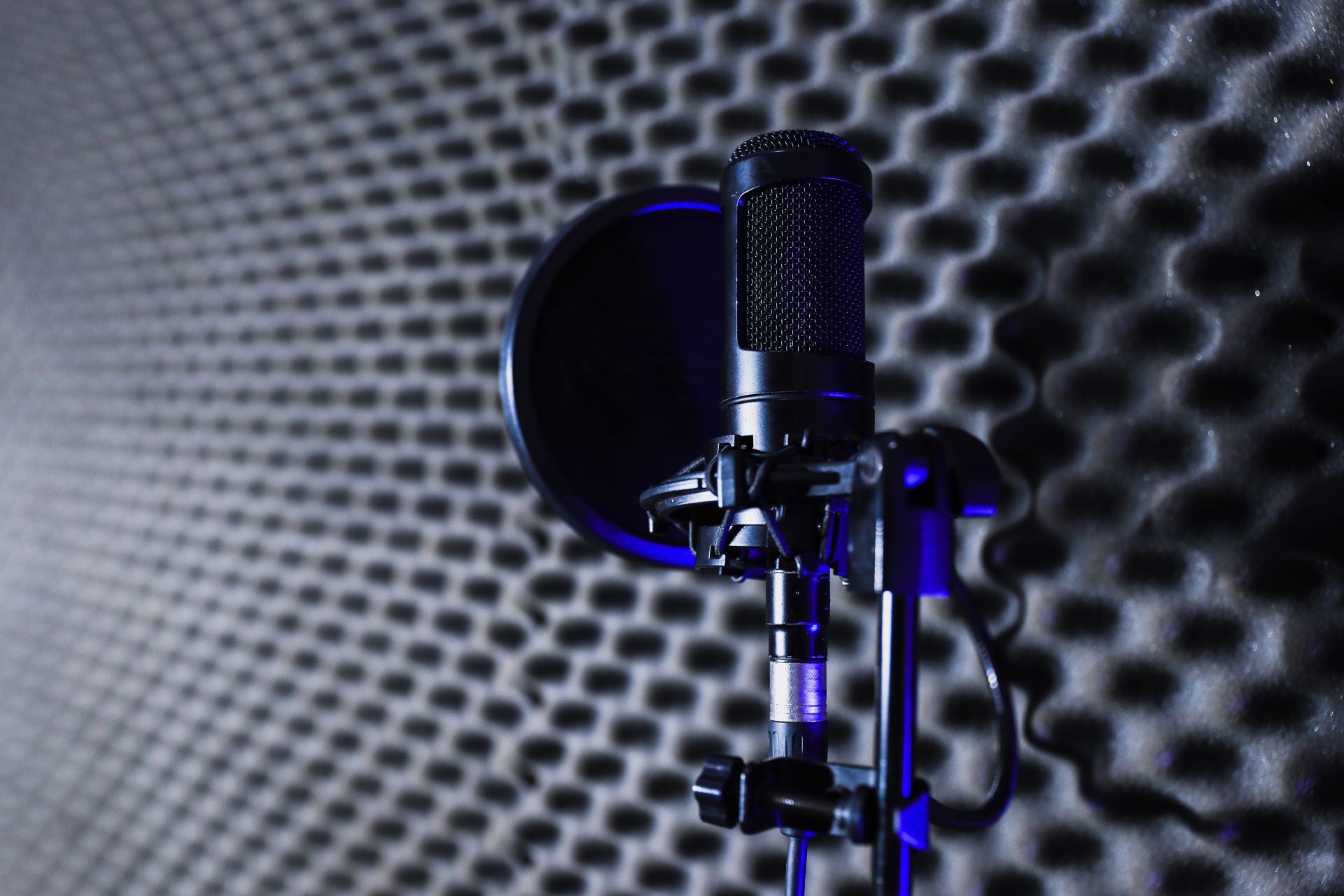
2. Improved Sound Quality: It enhances sound quality by minimising echoes and reverberation. This is particularly beneficial for studio recording spaces, podcast setups, and home theatres.
3. Easy Installation: Acoustic foam is easy to install and can be placed on walls, ceilings, and even doors without requiring special tools or extensive modifications.
4. Cost-Effective: Compared to other soundproofing methods, sound-absorbing foam is relatively inexpensive and offers great value for the level of noise reduction it offers.
5. Versatile Applications: It can be used in a variety of settings, from conference rooms and classrooms to residential spaces and entertainment rooms.
Acoustic foam's applications are diverse. In professional settings like studio recording spaces and broadcasting rooms, it helps produce clear, high-quality sound by controlling room acoustics. In offices, acoustic foam can reduce ambient noise, making it easier for employees to concentrate and communicate. Homeowners can benefit from using acoustic foam to create quieter, more pleasant living spaces, including home theatres or music rooms.
By understanding the advantages and applications of sound-absorbing foam, it becomes clear why this material is a popular choice for managing noise and enhancing audio quality in various environments.
How to Choose the Right Acoustic Foam for Your Space
Choosing the right sound-absorbing foam involves considering several factors to ensure you get the best results for your specific needs. Here are some tips to help you select the ideal sound-absorbing foam:
1. Type and Shape: Acoustic foam comes in different shapes, including panels, wedges, and pyramids. Panels are versatile and appropriate for most spaces, while wedges and pyramids are better for controlling specific frequencies.
2.Density and Thickness: The density and thickness of the foam affect its acoustic absorption capabilities. Higher-density foam absorbs more sound, making it well suited to environments with high levels of noise. Thicker foam provides better absorption of low-frequency sounds.
3. Colour and Design: Acoustic foam is on offer in various colours and designs. Choose a colour that complements your room decor. While design doesn't impact performance, a visually appealing setup can enhance your room.
4. Placement: Consider where the foam will be placed. For the best results, install foam on walls, ceilings, and corners where acoustic waves are most likely to reflect. Using corner bass traps can help manage low-frequency sounds that tend to accumulate in corners.
Make sure to measure your room accurately to purchase the right amount of foam. Buying slightly more than you think you'll need can help ensure you cover any unexpected gaps or areas.
Step-by-Step Guide to Installing Acoustic Foam
Installing sound-absorbing foam is a simple process that can be done without professional help. Follow these steps to ensure proper installation:
1. Prepare the Surface: Make sure the surface where you will install the foam is clean and dry. Use a damp cloth to wipe away any dust and allow it to dry completely.
2. Measure and Plan: Measure your walls and plan the placement of the foam panels. Mark the areas where each panel will go using a pencil to guide your installation.
3. Apply Adhesive: Use a quality adhesive spray or double-sided mounting tape. Apply the adhesive to the back of the foam panel and the wall where the panel will be placed. Ensure even coverage for a secure hold.
4. Position and Press: Place the foam panel on the marked area and press firmly. Hold it in place for a few seconds to ensure the adhesive sticks well. Repeat this for all panels, ensuring they align correctly.
For maintenance, regularly vacuum your sound-absorbing foam panels to remove dust and debris. Spot-clean any stains with a damp cloth, and take care not to saturate the foam with water. Inspect the adhesive periodically to ensure panels remain securely attached, and reapply adhesive if needed.
Transform Your Space: The Magic of Acoustic Foam
Acoustic foam is an successful option for reducing noise and enhancing audio quality in various settings. Regardless of whether you are setting up a recording studio, creating a focused office space, or making your home quieter, sound-absorbing foam offers a simple and cost-successful way to manage sound. By choosing the right type of foam and following proper installation steps, you can transform any space into a quiet oasis.
Understanding the importance of selecting and maintaining quality acoustic products ensures long-lasting performance and satisfaction. Acoustic foam enhances your environment and contributes to a more peaceful and functional atmosphere.
Ready to transform your space with well-made sound-absorbing foam? Visit Advanced Acoustics to explore our wide range of sound isolation options. Let us help you achieve a quieter, more pleasant environment today!
Previous: Identifying and Fixing Acoustic Panel Installation Mistakes
Visit the Advanced Acoustics Ltd website for more information on Unlock the Magic of Acoustic Foam: Transform Any Space into a Quiet Oasis
ENQUIRY FORM