Transform Your Studio with the Perfect Acoustic Panels: Here's How
24/12/2024
Acoustic panels are sound-absorbing materials that reduce echoes and improve sound clarity. They come in various types, including foam, fibreglass, and fabric-wrapped panels. Each type has its own set of advantages and can be chosen based on your studio's needs. Installing sound-absorbing panels is straightforward, and with a few basic tools, you can get started on creating a better sound environment for your recordings.
Understanding how to choose the right panels, install them correctly, and maintain them will ensure your studio always sounds its best. Here, we will explore why sound-absorbing panels are essential, how to pick the right ones, an successful way to install them, and how to keep them in top shape.
These insights will help you transform your studio sound and take your recordings to the next level.
Why Acoustic Panels Are Essential for Studio Sound
Understanding Sound Absorption
Sound absorption is a key concept in improving the acoustics of your studio. Acoustic panels work by absorbing acoustic waves, preventing them from reflecting off ceilings and walls. This absorption reduces echoes and reverberations, making the sound clearer and more precise. Sound waves are absorbed into the panel material, which disrupts their path and stops them from bouncing around the room. This creates a controlled sound environment that is essential for recording well-made audio.
Benefits of Acoustic Panels
Acoustic panels offer numerous advantages that improve the overall sound quality in a studio setting:
Noise Reduction: They considerably reduce ambient noise, allowing for cleaner recordings.
Improved Clarity: By reducing echoes, panels make it easier to hear subtle details in music or dialogue.
Professional Quality: Enhanced acoustics result in more professional-sounding recordings.
Aesthetic Appeal: Available in various designs, acoustic panels can as well add to the visual appeal of your studio.
These advantages make sound-absorbing panels essential for anyone serious about quality audio production.
Choosing the Right Acoustic Panels for Your Studio
Types of Acoustic Panels
There are several kinds of sound-absorbing panels to suit various needs and preferences:
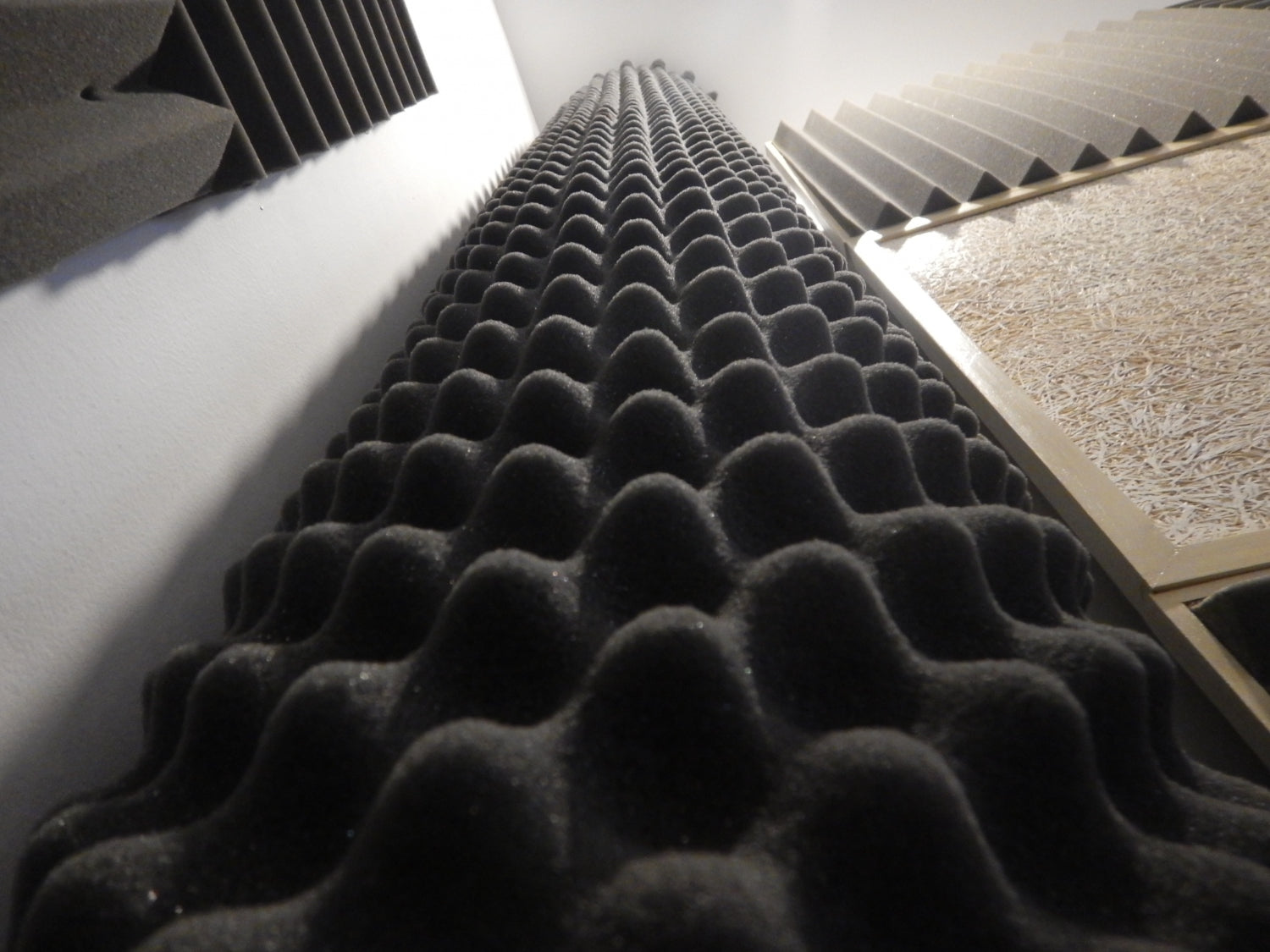
Foam Panels: These are lightweight and straightforward to fit. Foam panels are ideal for reducing mid to high-frequency sounds and are a budget-friendly option.
Fibreglass Panels: These offer excellent acoustic absorption across a broad spectrum of frequencies. They are more durable and successful but can be more expensive.
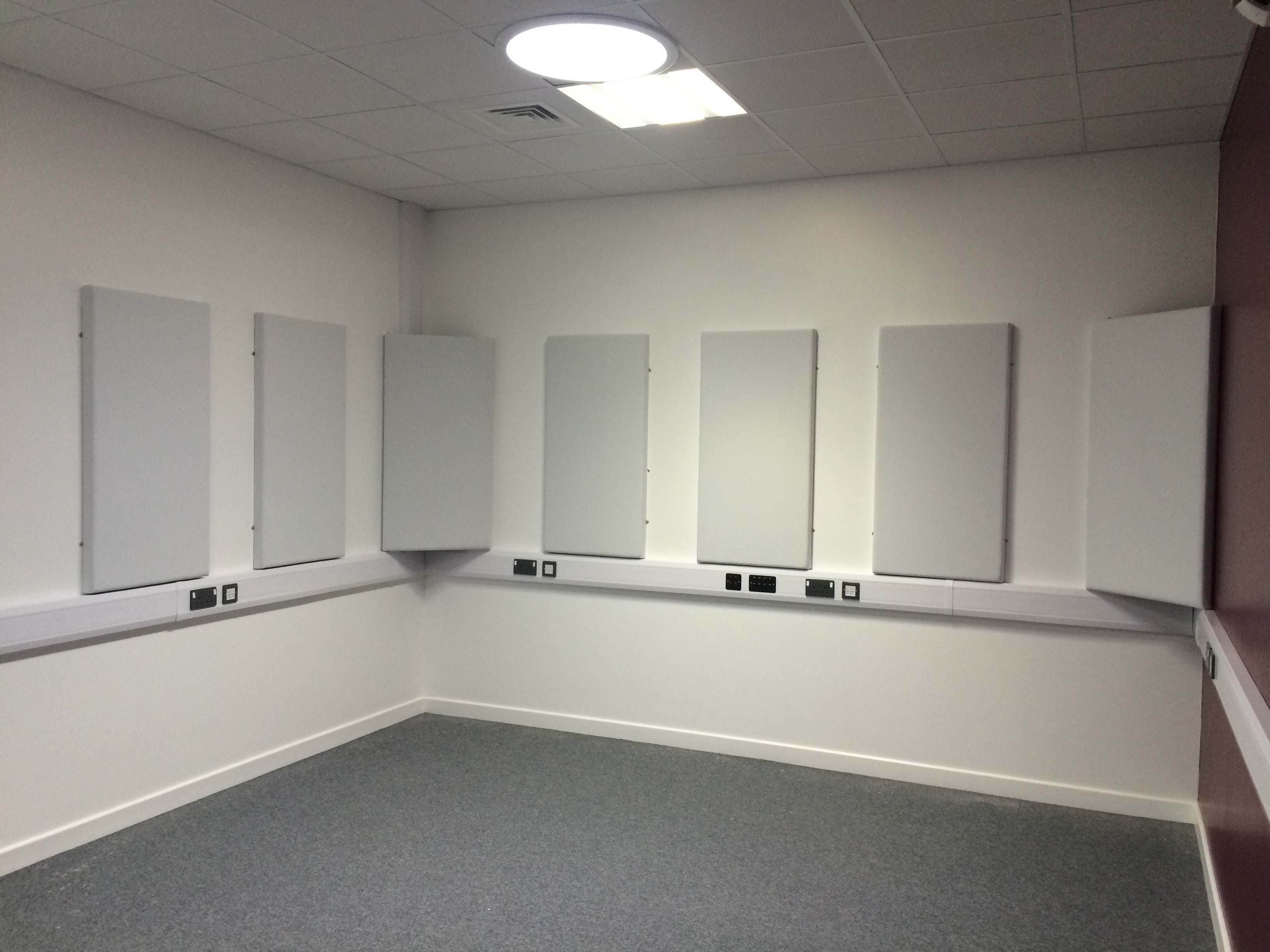
Fabric-Wrapped Panels: These are panels wrapped in fabric for an aesthetically pleasing finish. They are effective at absorbing a broad selection of frequencies and come in various colours and designs.
Factors to Consider
When choosing acoustic panels for your studio, consider the following factors:
Room Size: Larger rooms may require more panels or panels with higher absorption capabilities to achieve the desired sound quality.
Budget: Determine how much you're willing to spend. Foam panels are generally cheaper, while fibreglass and fabric-wrapped options may cost more.
Aesthetic Preferences: Select panels that match the decor of your studio. Fabric-wrapped panels, for instance, offer more variety in terms of colour and design.
By understanding the several kinds of panels and considering your specific needs, you can choose the perfect sound-absorbing panels to transform your studio sound.
Best Practices for Installing Acoustic Panels
Preparing Your Studio Space
Proper preparation is crucial for successful acoustic panel installation. Start by cleaning the walls and ceiling where you plan to install the panels. Use a damp cloth to remove any dust or debris. This ensures that the adhesive will stick better. Next, measure the space to determine how many panels you will need. Having a detailed plan will save time and help achieve a uniform look. Mark the spots on the walls where the panels will go, ensuring even spacing and alignment.
Step-by-Step Installation Guide
Gather Your Tools: You will need a measuring tape, pencil, adhesive, and a level.
Apply Adhesive: Apply the adhesive to the back of each panel. Spread it evenly to ensure a strong bond.
Position the Panels: Starting from one corner, press each panel onto the wall. Make sure it aligns with your markings.
Check Alignment: Use a level to ensure each panel is straight. Adjust as needed.
Secure in Place: Hold each panel firmly for a few seconds to ensure the adhesive sticks well.
Installing acoustic panels correctly will maximise their effectiveness, making your studio sound its best.
Maintaining and Optimising Your Acoustic Panels
Regular Cleaning and Upkeep
Maintaining your sound-absorbing panels is essential for long-lasting performance. Dust and dirt can accumulate as time passes, reducing their effectiveness. Make it a habit to clean your panels regularly. Use a vacuum cleaner with a soft brush attachment to remove dust. For fabric-wrapped panels, a gentle cloth can be used to wipe off any surface dirt. Avoid using water or harsh chemicals, as they can damage the material.
Tips for Maximising Sound Quality
To get the best sound quality from your sound-absorbing panels, consider these tips:
Panel Placement: Position panels at primary reflection points, including behind speakers and on side walls.
Balanced Absorption: Mix different types of panels to absorb a broad selection of frequencies.
Avoid Overloading: Too many panels can make a room sound dead. Aim for a balanced sound environment.
Room Elements: Add rugs and soft furnishings to complement the panels and further improve acoustics.
Regular cleaning and strategic placement will help you maintain an optimal sound environment in your studio.
Conclusion
Transforming your studio with the right acoustic panels can make a significant difference in sound quality. These panels are essential for reducing noise, preventing echoes, and ensuring clear, professional recordings. By understanding the types of acoustic panels on offer and choosing the ones that suit your needs, you can create the perfect recording environment.
Proper installation and maintenance are key to getting the most out of your sound-absorbing panels. Clean your panels regularly and position them successfully to ensure they perform at their best. Following these guidelines will help you achieve superior sound quality, making your studio a better place to create and produce music.
For top-quality acoustic panels, visit Advanced Acoustics. We offer a broad selection of products to meet all your soundproofing needs. Transform your studio sound with our expert options today.
Previous: Identifying and Fixing Acoustic Panel Installation Mistakes
Visit the Advanced Acoustics Ltd website for more information on Transform Your Studio with the Perfect Acoustic Panels: Here's How
ENQUIRY FORM