Solving Echo Problems in Glass-Walled Office Spaces
12/08/2025
To create a quieter and more focused work environment, soundproofing needs to go beyond the basics. Acoustic foam panels and office acoustic panels are two of the most effective tools for tackling echo problems. Used correctly, they can help manage how sound travels in a space, reduce those extra reverberations, and give employees a calm, more productive setting to work in.
Understanding the Causes of Echo in Glass-Walled Offices
Echo becomes a big challenge in rooms where sound reflects easily. In spaces filled with glass, metal, or other hard materials, there's nothing soft to absorb sound and stop it bouncing.
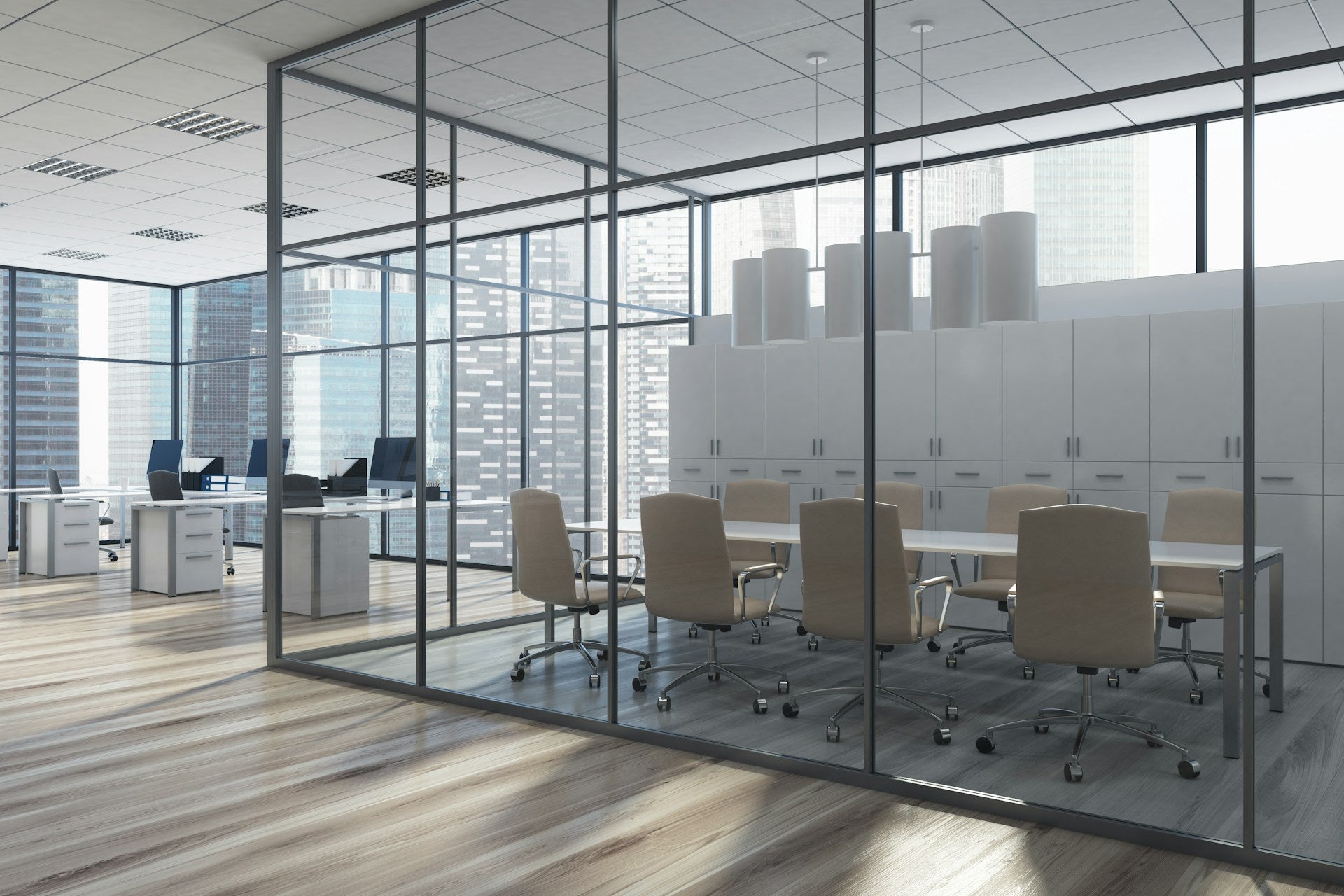
That's exactly what happens in glass-walled offices � voices, keyboard clicks, and footsteps all hit the glass, bounce off, and keep travelling around the room.
Glass surfaces reflect most of the sound that hits them. Without furniture or materials to break up or absorb that sound, the space can become noisy fast. Large glass walls work a bit like speaker cones as they keep pushing sound back into the room. With this constant bouncing effect happening from all directions, what you experience is a build-up of echo.
Even small group discussions can feel louder as each voice is being reflected off multiple surfaces. Instead of sound fading naturally, it lingers. Rooms with minimal furnishings are more likely to feel hollow or tinny. If there's even a slight delay between the original sound and the reflected sound, it creates that classic, unwanted echo.
Common clues that echo is an challenge in a glass-walled space:
1. The sound of footsteps, chairs moving, or typing feels louder than it should be.
2. Conversations feel unclear or harder to follow, especially on group calls or video meetings.
3. The room rings or feels tinny after someone speaks.
4. Silence is broken not just by noise, but by noise bouncing back from the walls.
Once you've identified that echo is coming from glass surfaces, it's a good idea to treat the room strategically rather than cover up the glass entirely or change the layout. That's where smart soundproofing approaches come in.
Effective Office Soundproofing Solutions for Glass-Walled Spaces
When it comes to quieting down a glass-walled office, the right approach uses materials that absorb sound without needing you to sacrifice the open design. Acoustic foam panels and office sound-absorbing panels are well suited to this. They work by capturing sound energy and stopping it from bouncing all over the place.
The goal is to add softer surface areas that break up that reflection effect. Foam panels are intended to do just that. They absorb sound on contact. Instead of bouncing off hard surfaces like glass, sounds hit the panels and get diffused or absorbed. This creates fewer echoes and a smoother, more controlled sound in the room.
There are several ways you can apply soundproofing in a glass-walled office:
1. Wall-mounted sound-absorbing panels: These can be styled to match the colour scheme and layout of your office. If you can't hang panels on the glass, install them on opposite walls or partitions to catch reflected sound.
2. Ceiling panels or baffles: These are excellent for capturing sound from above, especially in rooms with high ceilings. They work well when installed above meeting tables or collaborative spaces.
3. Freestanding acoustic screens: These can be placed strategically around work areas or between desks to break up sound paths without blocking visibility.
4. Corner bass traps or foam blocks: Great for corner areas where echo tends to collect and form a bass build-up. These options soak up low-end frequencies and make the room feel calmer.
Choosing a mix of panel types helps cover different sound zones in the room. For offices that rely heavily on open sightlines and modern design, slim and discreet sound-absorbing foam options are on offer that don't ruin the look but still get the job done. Placing them where sound naturally reflects, including across from glass panels or on large flat walls, is the key to making them successful. A well-treated space can feel dramatically quieter after just a few thoughtful additions.
Selecting the Right Acoustic Foam Panels
Not every panel is built the same, and picking the right ones for your office makes a big difference. When soundproofing glass-walled spaces, the type, size, and density of the foam panels you pick can all change how well they work. Getting the balance right between how they look and how they perform is what creates an area that's both functional and good-looking.
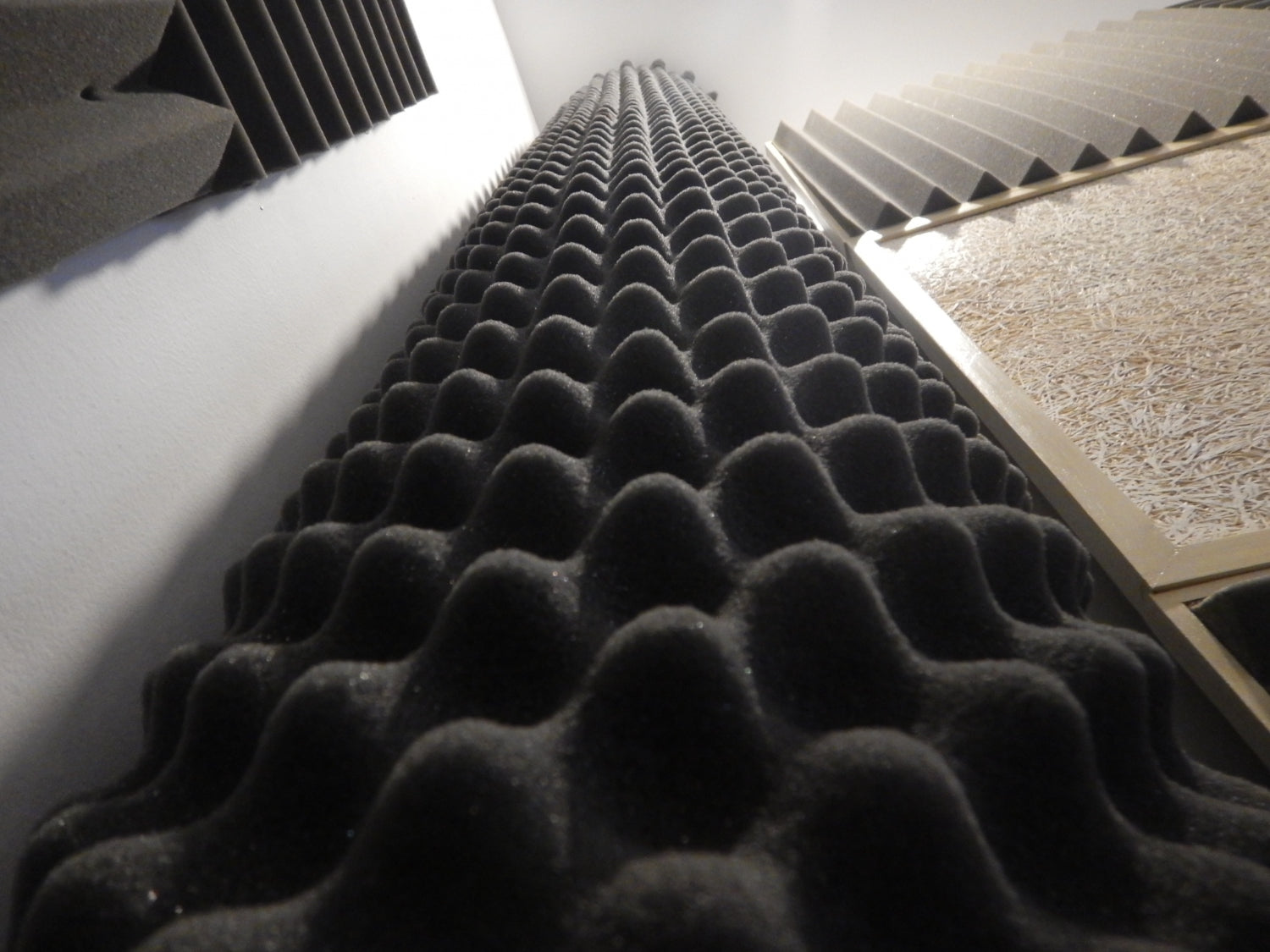
Start with the type. Acoustic foam panels normally come in flat, wedge, pyramid or grid profiles. Flat panels are more subtle and well suited to a clean look. Wedge and pyramid-shaped panels are more aggressive in breaking up acoustic waves and are great in spots where echoes are strong. Grid styles give a textured look while still helping with absorption.
Density affects how much sound the panels absorb. Thicker, firmer foams are better at handling stronger reflections and mid-to-low frequencies. Thinner or lower-density options are better for light sound treatment or for use in smaller spaces where you're focusing mostly on speech clarity.
Here are a few things to bear in mind when choosing your acoustic foam:
1. Panel thickness: Thicker foam, such as 75mm or more, absorbs deeper sound frequencies but might feel more noticeable on walls. Thinner panels between 30mm and 50mm work well for reducing high-pitch sounds like people chatting.
2. Material colour and texture: Look for designs that match your office palette. Many acoustic foam panels come in neutral greys and blacks, but brighter colours and fabric finishes are available If your aim is to add some visual contrast.
3. Fire ratings: In office settings, check that the panels meet safety regulations for public and shared spaces.
4. Panel shape and layout options: Think about how you arrange them, whether you're lining the top half of a wall, spacing them in a pattern, or turning them into a design feature.
Making these considerations at the start saves time and avoids panels being replaced due to functionality mismatch or visual clutter. If you're treating glass-walled conference and meeting rooms, go for toned-down designs that blend in with nearby surfaces. In open-plan areas, you can afford to be more visual, using panels to add texture while dialling down echo.
Maintaining Acoustic Panels for Long-Lasting Effectiveness
Once sound-absorbing foam panels are up and performing properly, keeping them in good shape doesn't take much. But like anything that lives in a working office, they benefit from a little routine attention. Without it, dust builds up or installation can shift as time passes, and that ends up affecting their performance.
Start with surface cleaning. Most sound-absorbing foam panels are exposed, so they gather dust just like furniture. Light vacuuming or a quick once-over with a soft brush attachment every few weeks helps keep them fresh. Avoid using wet cloths or sprays, especially on foam without a fabric cover.
Every now and then, it's worth doing a quick walk-through of offices or meeting rooms to check if any panels have shifted, started to peel, or aren't staying flat on the wall. Heat and humidity as time passes can affect adhesives, which is easy to fix with adjustment but should be spotted early.
Here are easy steps to stay on top of acoustic panel upkeep:
1. Dust regularly to prevent buildup and dull appearance.
2. Inspect fixing points every few months to ensure adhesive or brackets are still doing their job.
3. Reposition panels as needed if the room layout changes or you notice shifts in echo patterns due to new desks or equipment.
4. Clean gently with dry tools to protect the foam density and surface texture.
5. Check for wear if trolley carts or chairs are bumped against them often, especially in high-traffic areas.
Some offices find it helpful to rotate panel positions once in a while, especially if they've rearranged their layout or notice new hotspots of sound in other corners. These small checks as time passes help maintain both the performance and visual appearance of your setup.
Quiet Offices Make Work Easier
Echo problems in glass-walled offices tend to creep up on teams. They start as minor annoyances in a meeting room, turn into complaints on video calls, and eventually create tension and distraction. That's not something any office wants. The good news is, with the right treatment using quality sound-absorbing foam panels, it's possible to fix the challenge without gutting the room or losing its bright, open feel.
Office sound-absorbing panels create a more balanced sound across the whole space. By placing them where sound bounces most, and choosing the right size, thickness and layout, you stop unwanted echoes right at the source. Staff can concentrate better, meetings feel smoother, and ambient sounds no longer stick around or build up.
Comfort really matters. It's not just about people being able to hear clearly. It's about removing daily distractions and letting the room feel calmer. Whether you're working from a glass-fronted meeting pod or sitting in a corner next to floor-to-ceiling windows, the right treatment helps everyone get on with their work in peace. Even a few well-placed sound-absorbing panels can shift how a space feels and sounds.
A smart approach to office acoustics tackles problems quietly and adds to the design rather than taking away from it. Clean setups, proper placement, and ongoing care all work together to create a space that sounds as good as it looks. Once echo is under control, you get back to what matters more easily: getting work done.
Achieving successful sound control can enhance both comfort and concentration in any workspace. At Advanced Acoustics, we offer a selection of sound-absorbing foam and panel options developed to help quiet busy environments without compromising style. Explore our office sound isolation options to create a calm, focused setting in your glass-walled office.
Previous: Identifying and Fixing Acoustic Panel Installation Mistakes
Visit the Advanced Acoustics Ltd website for more information on Solving Echo Problems in Glass-Walled Office Spaces
ENQUIRY FORM