Solving Acoustic Issues in Multi-Level Office Buildings
02/12/2025
Sound problems like these aren't just a small annoyance. When ignored, they end up changing how people work, how well they can focus, and how they feel by the end of the day. Acoustic treatment using the right mix of sound-absorbing foam panels and office sound-absorbing panels offers a proper plan for solving the problem instead of covering it up. It makes the space quieter, more comfortable, and better for getting work done without needing to wear headphones just to think straight.
Identifying Acoustic Issues i

n Multi-Level Office Buildings
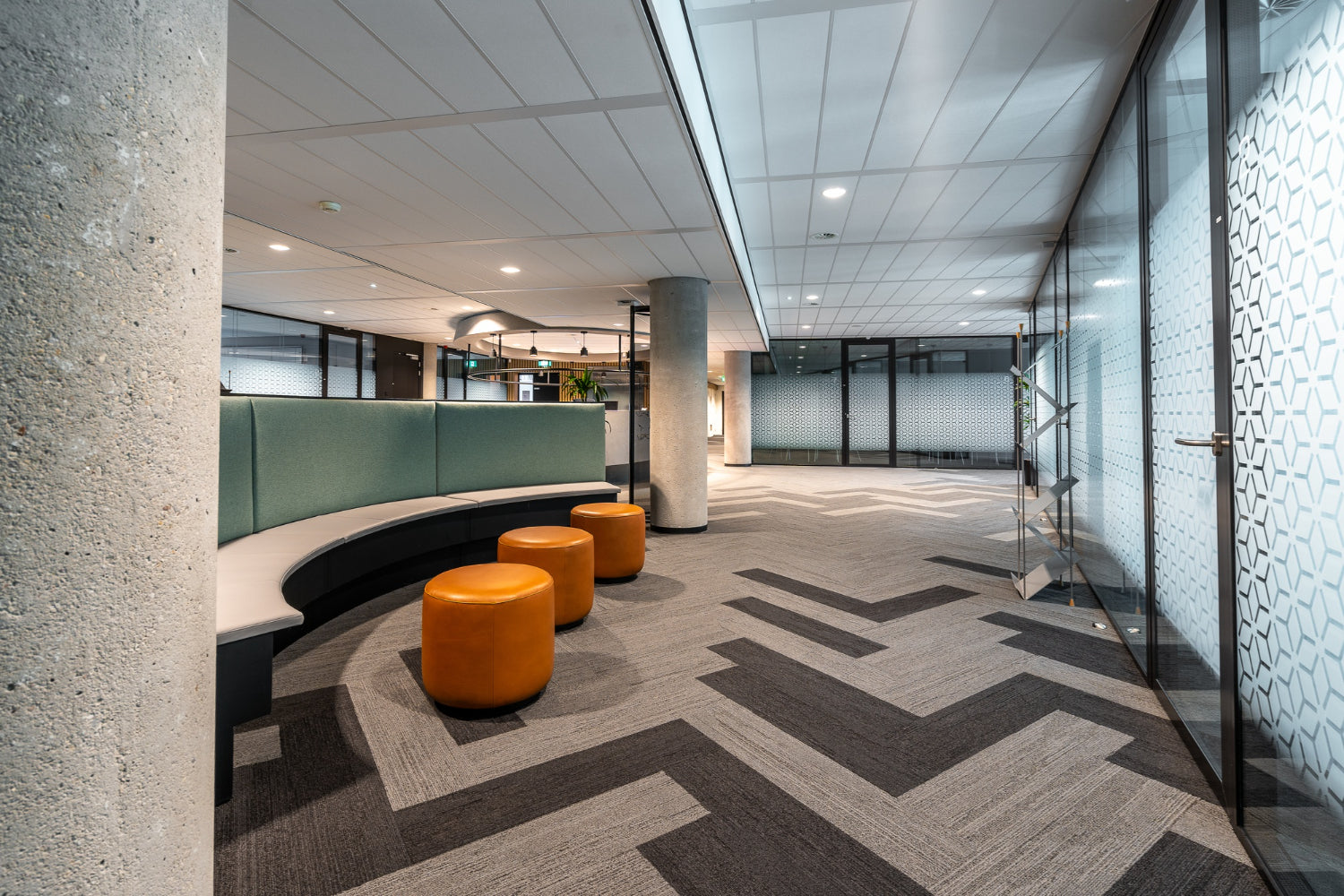
Some sound problems in office blocks are easy to notice: voices echoing down corridors, phone calls carrying across floors, footsteps from above thudding through ceiling tiles. Other problems are sneakier. Think of a quiet moment during a video call when you suddenly hear laughter from a level below, or the constant hum of HVAC systems vibrating through shared walls.
The way a building is designed plays a huge part in how sound behaves:
- Open-plan layouts let sound travel farther than expected, especially when there's little to break it up.
- Hard surfaces like exposed concrete, metal ducting, and glass bounce sound across levels instead of absorbing it.
- Shared ceiling cavities or poorly insulated floors pass sound between levels without much resistance.
- Meeting rooms that haven't had the right treatment leak sound through walls, floors or under doors.
When the soundscape in an office isn't controlled, it affects more than comfort. It chips away at productivity. People can't concentrate, calls lose clarity, and chats often get louder as everyone tries to talk over the noise. These small but constant pressures build up and can wear down focus and morale.
Short-term fixes like switching desks or asking people to lower their voices rarely make a lasting difference. Real change starts with acoustic design. Using sound-absorbing foam panels and office sound-absorbing panels in the right parts of the office can cut down on disruptive noise without needing major structural changes.
Benefits of Acoustic Foam Panels
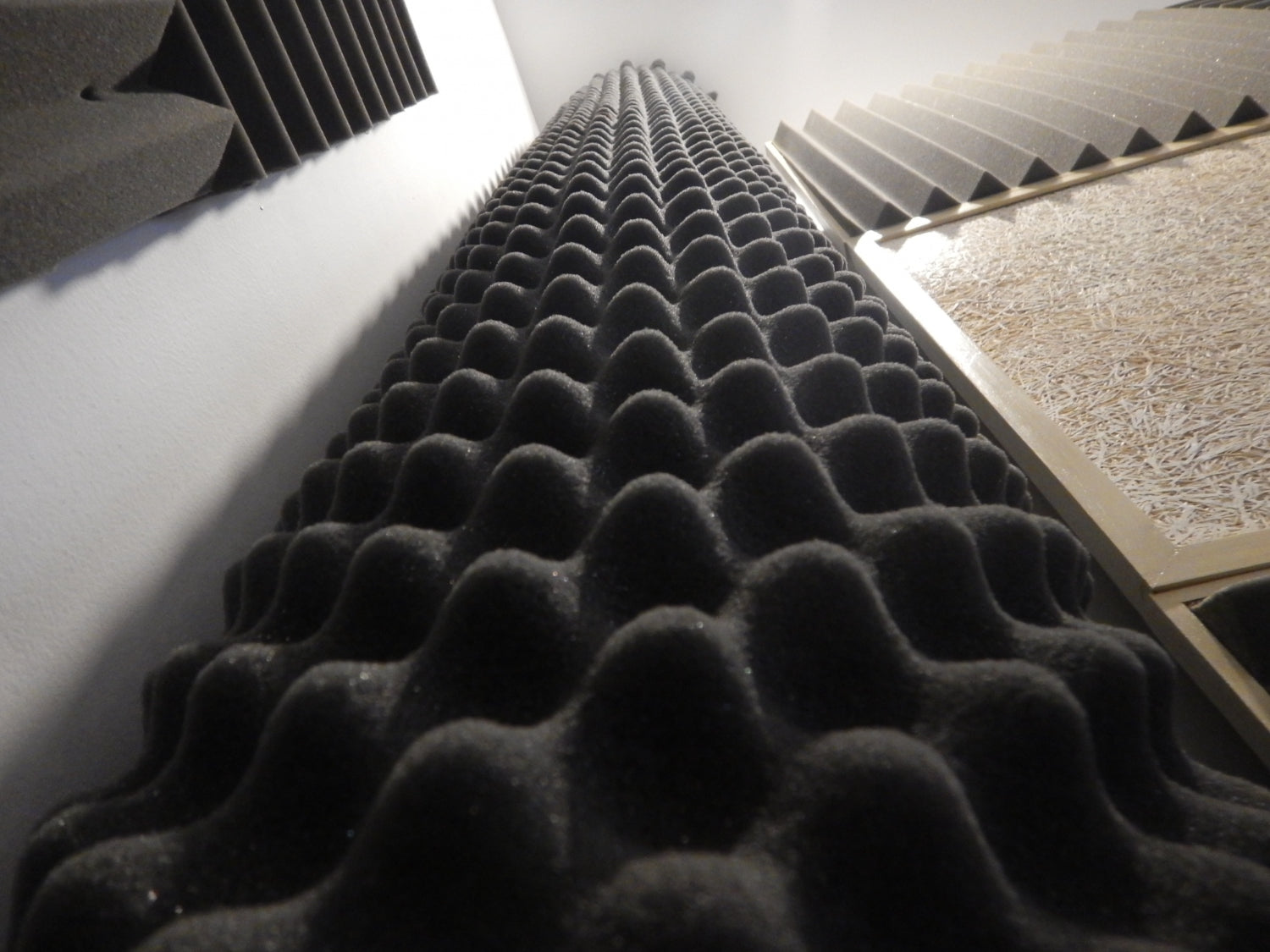
When sound bounces around an area, it creates echo. That echo makes voices harder to pick out, adds to ambient noise, and causes listening fatigue. Acoustic foam panels are built to absorb that reflected sound, reducing the bounce before it disrupts other areas in the building.
These panels are made from shaped foam with textured surfaces. These patterns increase surface area, giving sound waves more opportunity to be absorbed instead of reflected. It's a simple design feature with a big effect. These panels are commonly chosen wherever better speech clarity and less echo are needed.
Adding sound-absorbing foam panels to the office brings a number of advantages:
- A softer acoustic environment that feels calmer and easier to work in
- Fewer sound reflections that allow voices to stay at lower, more natural volumes
- Clearer speech in focused zones like phone pods or one-person booths
- Better control of sound where walls or floors connect closely
They're well suited to small but busy spaces where noise builds up quickly. Quiet rooms, landings, and shared corridors are great places to put them. For example, lining the ceiling of a well-used stairwell with foam panels can stop voices from spilling out two or three floors away.
They work even better when paired with other types of office acoustic panels. Foam panels deal mainly with echo and reverberation, while more solid acoustic panels assist in reducing noise transmission between spaces. When both are used together, you get a balanced approach that takes care of multiple challenge areas at once.
Enhancing Office Spaces with Acoustic Panels
While sound-absorbing foam panels help keep things quieter by soaking up sound, office sound-absorbing panels take it further. These panels are generally made from denser materials and are intended to absorb a wider range of sound frequencies. Rather than just reducing echo, they help block or dampen sound that would otherwise pass through walls or ceilings.
There are two main kinds of office acoustic panels: wall-mounted and ceiling-mounted.
Wall panels are great for spaces where sound bounces directly off the walls. They work well behind desks, around meeting rooms, and in breakout zones to reduce ambient buildup.
Ceiling-mounted panels are a smart choice when you want to reduce sound traveling between floors. If people upstairs can hear every phone call below, or footsteps are constant ambient noise, these panels help break that cycle.
Placement is key. Start by thinking about where sound travels and where it gets stuck. Look at high-use corridors, open working zones, and shared break areas. These are all prime locations to catch and contain sound before it gets out of hand. Add more panels in meeting rooms and private work pods where the goal is clearer communication and quiet focus.
By using sound-absorbing foam panels to deal with echo and pairing them with office acoustic panels to manage sound transfer, you create an office that feels connected but not noisy. Each floor has its own energy, without being overrun by the one above or below.
Practical Tips for Implementing Acoustic Treatments
Fixing sound issues across multiple floors takes some planning. It's not about putting the same panels everywhere, but about choosing the right panel for the right space.
Here are a few useful tips to get it right:
1. Start with shared spaces - Corridors, stairwells, kitchens, and lounges frequently carry the most noise. Use ceiling panels to stop noise from moving between floors and blend wall-mounted panels into these areas to trap it.
2. Treat conference and meeting rooms separately - These need both kinds of panels. Foam panels improve voice clarity inside the room, and dense wall panels stop sound escaping to the rest of the floor.
3. Soften workstations - Quiet zones stay quieter with the help of foam panels that reduce reverb and constant distraction without changing how the room looks.
4. Mix it up - Too much dampening can make a room feel heavy or lifeless. Space out your acoustic solutions and combine different types where needed.
5. Add help from soft surfaces - Carpets, curtains, and soft furniture support the main panels. They won't replace sound-absorbing panels but will help balance noise across the office.
6. Make maintenance simple - Ceiling-mounted panels should be easy to reach when needed. Leave enough access so panels can be cleaned or gently adjusted without much work.
Think about how each area is used day to day. Compare the needs of an executive meeting room with the lift lobby or the shared lunch space. Each room plays a different role and deserves a tailored acoustic setup that suits it best.
Helping Offices Stay Focused and Comfortable
Quiet isn't about silence. It's about control. The right blend of acoustic foam panels and office sound-absorbing panels helps manage the sound that fills a busy office without draining the energy out of the room.
They reduce echo, improve speech quality, and prevent sound from spilling from one floor to the next. Done right, they create calm without shutting everything down, letting people focus and communicate clearly.
When acoustic treatments are matched to their surroundings, the entire office works better. Different teams can work side by side without distractions. Shared walls and ceilings no longer pass along every cough or laugh.
Now is a great time to fine-tune how sound travels through your workspace. With seasonal changes bringing closed windows and more enclosed environments, it's worth thinking about which areas of the office need a little more acoustic support. Taking that first step with well-placed foam and panel options can set your team up for better collaboration and calmer days.
Creating a productive and pleasant office environment hinges on managing noise successfully. If you're considering ways to enhance your workspace, explore our room acoustic treatment options to find the right option. Advanced Acoustics offers a wide range of products developed to transform your office into a quieter and more focused setting with the help of sound-absorbing foam panels and office sound-absorbing panels.
Previous: SilentCork3 Acoustic Underlay: Natural Soundproofing for Wood & Laminate Floors
Next: Terrac Acoustic Rubber Underlay: Durable Soundproofing for Busy Spaces
Visit the Advanced Acoustics Ltd website for more information on Solving Acoustic Issues in Multi-Level Office Buildings
ENQUIRY FORM