Selecting the Right Acoustic Foam for Your Space and Needs
14/01/2025
Many types of sound-absorbing foam exist, and picking the right one depends on your specific needs. Before you decide, it's important to evaluate your space and consider how foam placement might affect your room's acoustics. This guide aims to simplify the process so you can enjoy a richer audio experience.
Understanding Acoustic Foam Types
Acoustic foam comes in a variety of types, each developed to improve sound quality by reducing echoes and absorbing acoustic waves. Knowing the different types may allow you to choose the right foam for your needs. The most common types of sound-absorbing foam include wedge, pyramid, and eggcrate.
Each type has unique advantages, so understanding these can make your decision easier.
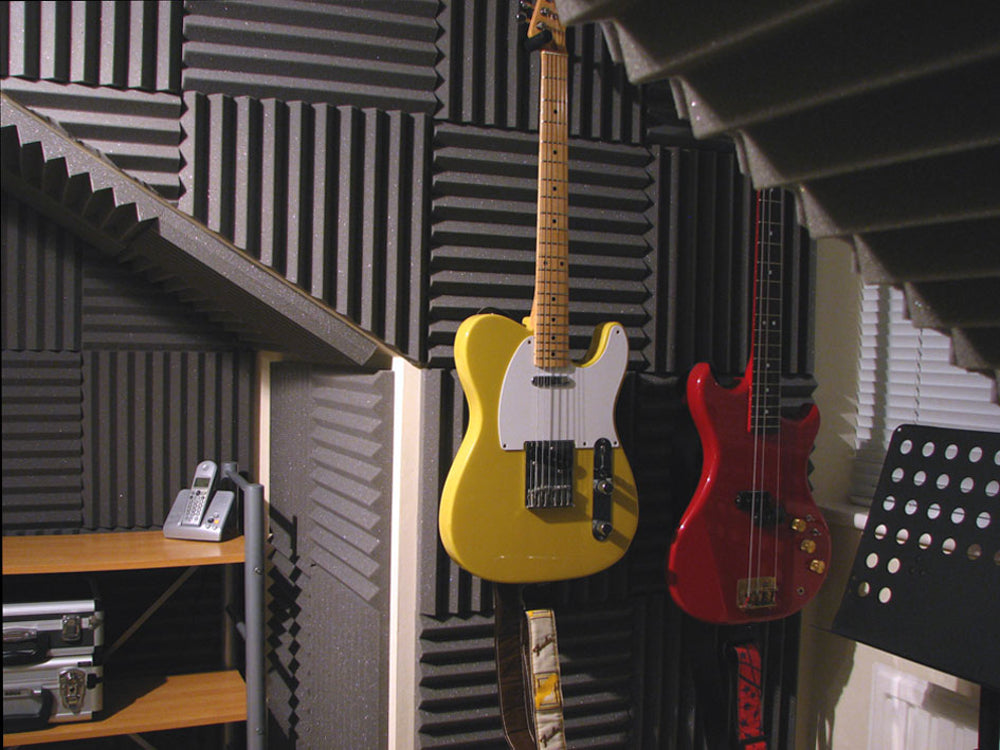
Wedge foam panels have a flat, triangular pattern. They are excellent for reducing mid to high-frequency sounds. These panels are commonly chosen in studio recording spaces and home cinemas as of their successful sound absorption and ease of installation.
Pyramid foam panels share similar properties with wedge foam but feature a square-based pyramid pattern. This design offers increased surface area, which can improve acoustic absorption. Pyramid foam is frequently chosen for its ability to treat larger spaces or rooms with high ceilings.
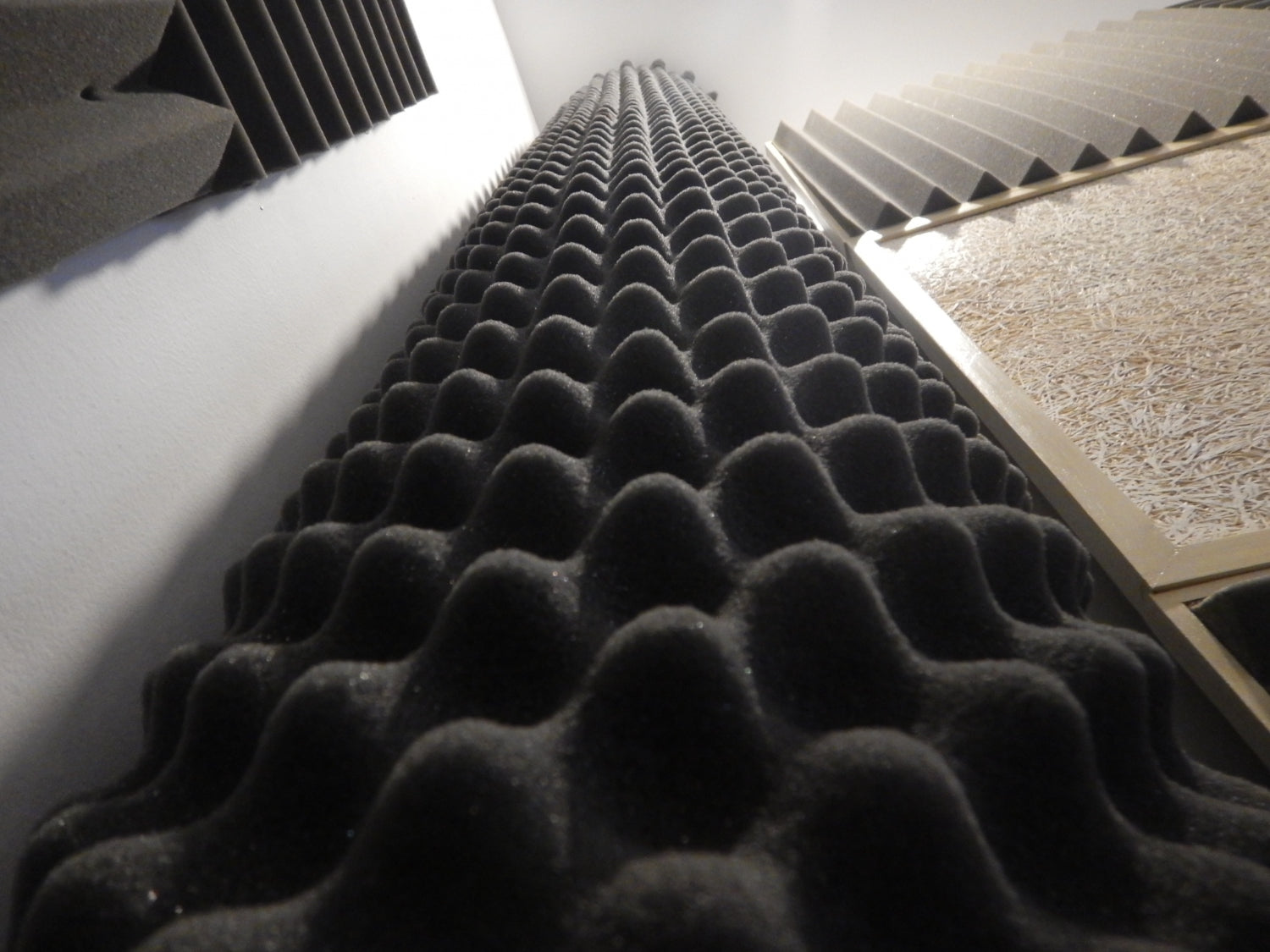
Eggcrate foam panels, named for their bumpy texture, are a versatile choice. They offer a little less absorption than wedge and pyramid panels but offer a cost-successful option for basic sound treatment. Their unique shape makes them appropriate for various environments, including offices and classrooms.
Evaluating Room Acoustics and Needs
Before purchasing sound-absorbing foam, it's essential to evaluate your room's acoustics and determine your needs. Several factors affect the acoustics of an area, including room size, shape, materials, and furniture. Assessing these factors helps identify areas where reflection of sound is most significant.
Consider these questions when evaluating your space:
- How is sound performing in your room? Is there a lot of echo or ambient noise?
- Which surfaces are reflecting acoustic waves the most?
- What is the primary use of the room? Is it for listening to music, watching films, or working?
After determining your room's acoustic challenges, decide on the amount of foam required for treatment. Generally, starting with about 20-25% wall coverage is a good rule of thumb. This amount can vary based on the room's needs and your personal preference.
Placement is significant for optimal foam performance. Begin by treating the first points of reflection, frequently found on walls facing speakers or instruments. Corners are also key areas for treating low-frequency waves, so bass traps can be beneficial there.
By accurately assessing your room's acoustics and needs, you have the option to select and place acoustic foam more effectively, resulting in improved sound quality and a more enjoyable listening environment.
Selecting Foam Based on Purpose
When choosing sound-absorbing foam, consider the specific purpose of the space. Different environments require several kinds of foam to achieve the best acoustic results. For a recording studio, you'll want foam that addresses both high and low frequencies. Wedge or pyramid panels are well suited to this setting, as they successfully absorb high and mid-range sounds.
In home theatres, sound clarity and immersive audio are essential. Foam panels that reduce echoes improve sound quality, making films more enjoyable. Thick foam panels or bass traps in corners can help manage lower frequencies, enhancing the overall audio experience.
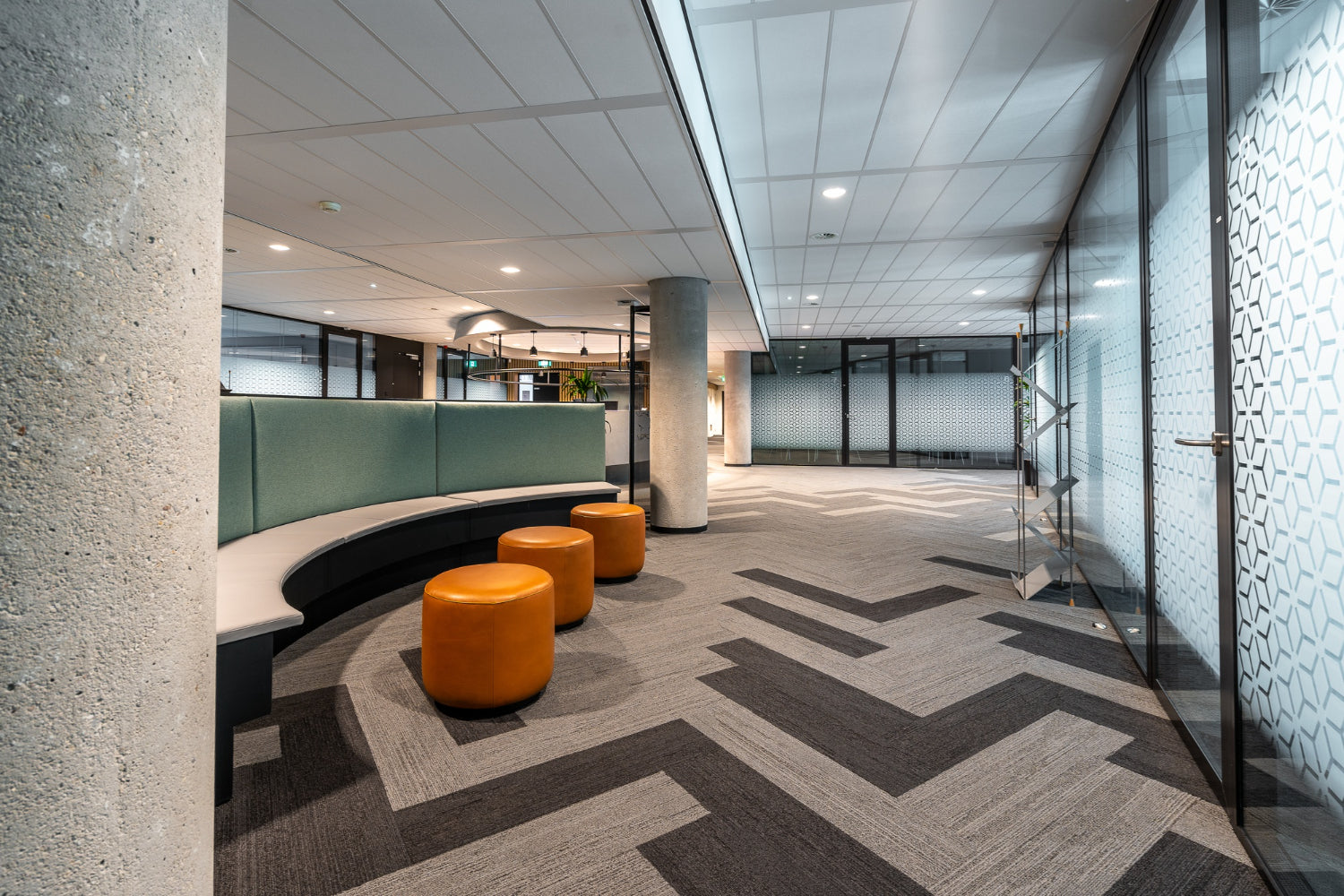
Offices frequently face the challenge of reducing noise to facilitate concentration. Acoustic panels here can minimise distraction from external sounds, creating a more focused environment. Consider foam with a more subdued aesthetic, so it blends well with typical office decor.
While functionality is critical, aesthetics as well matter. Acoustic foam comes in various colours and designs, allowing you to match them to the room's decor. By carefully considering both the function and the look of the foam, you can check that the room acoustic treatment enhances both sound and visual appeal.
Installation Tips for Optimal Performance
Proper installation of acoustic foam is crucial for achieving the best sound results. Start by deciding where the foam panels should be placed. Identify primary reflection points on walls, normally opposite speakers or direct sound sources, as these areas benefit the most from treatment.
Follow these steps for a successful installation:
1. Choose the Right Adhesive: Use foam-friendly adhesive or mounting strips to avoid damaging the walls or the foam.
2. Mark the Spots: Lightly pencil in where each panel will go. This helps check that placement is correct and consistent.
3. Install Panels Evenly: Start from the centre and work outward. This way, you maintain an even distribution for successful sound absorption.
Some common mistakes to avoid include spacing panels too far apart, which can leave gaps in sound treatment, and choosing improper adhesives that might fail as time passes. Being meticulous during installation lets you optimise the acoustic advantages and enjoy more successful sound management.
Conclusion
Creating the right acoustic environment requires careful planning and execution. From understanding several kinds of foam to evaluating your room's specific needs, each decision you make contributes to enhancing audio quality. Once you have assessed the purpose of your space and selected the appropriate foam, proper installation is key to experiencing the full advantages.
Ready to upgrade your surroundings with the best acoustic treatment? Look no further than Advanced Acoustics to explore our range of well-made�sound-absorbing foam products today. We are here to help you achieve the perfect soundscape for your home or workspace.
Previous: Identifying and Fixing Acoustic Panel Installation Mistakes
Visit the Advanced Acoustics Ltd website for more information on Selecting the Right Acoustic Foam for Your Space and Needs
ENQUIRY FORM