How to Reduce Echo in an Open-Plan Office (Without Rebuilding Walls)
02/01/2026
Why Open-Plan Offices Echo So Much
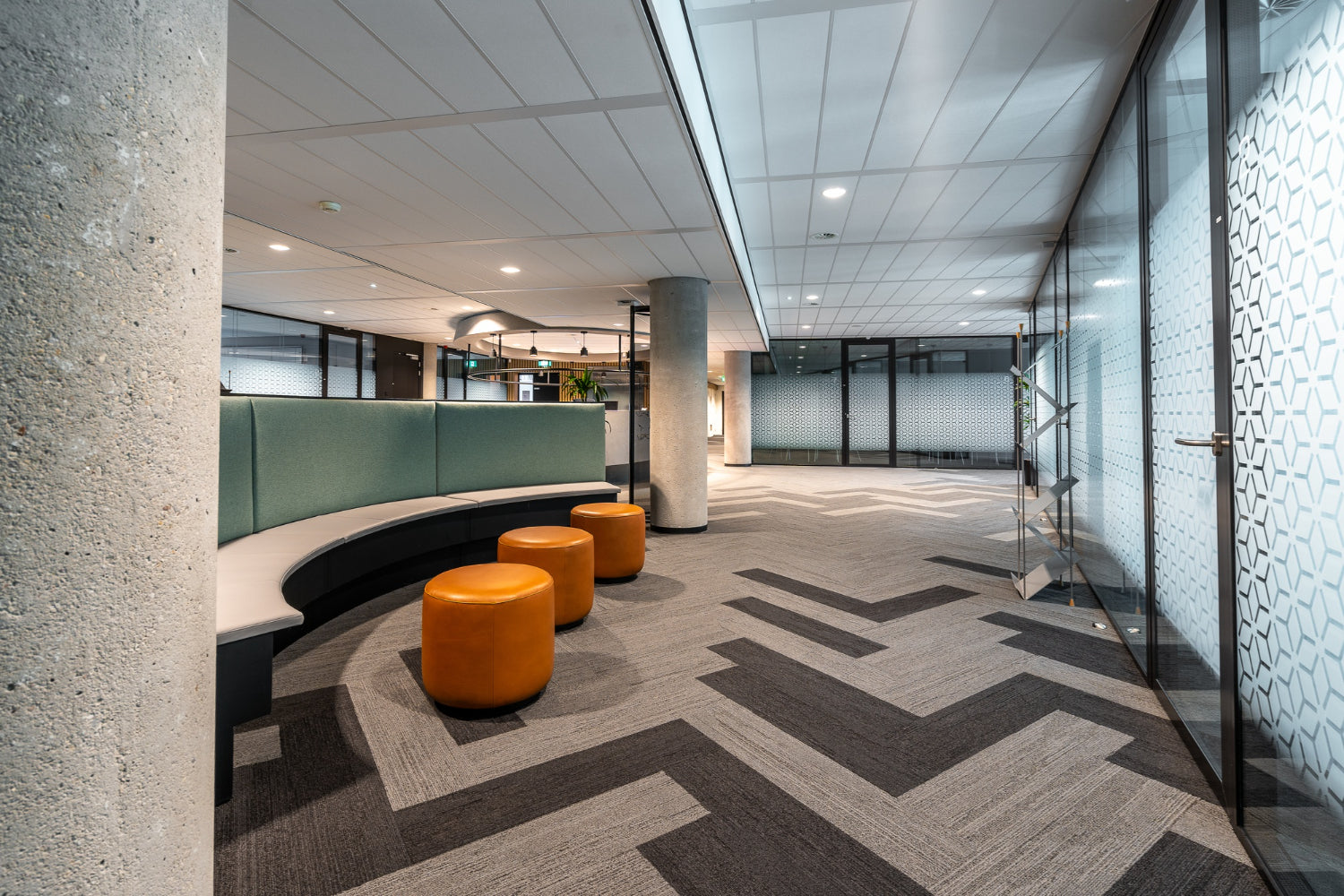
Most modern offices are full of hard, reflective surfaces:
Plasterboard or glass walls
Hard flooring such as laminate, tiles or polished concrete
Large windows and minimal soft furnishings
When sound hits these surfaces, it bounces back into the room instead of being absorbed. In an open-plan layout, sound can travel a long way before it loses energy. This creates:
Lon
g reverberation times (that �boomy� sound)
Multiple conversations overlapping
Poor speech clarity on calls and in-person discussions
This isn't just annoying. It can:
Reduce productivity and concentration
Make phone calls and video meetings harder
Increase fatigue over the course of the day
Quick Wins That Help (But Only So Much)
Before we talk about acoustic panels, it's worth mentioning a few simple changes that can help a little:
Adding rugs or carpet runners in key walkways
Introducing soft furnishings including sofas and upholstered chairs
Using plants and bookcases to break up large reflective surfaces
These can take the edge off, but they rarely solve the core problem in a busy open-plan office. To properly control echoes and reverberation, you need materials specifically developed to absorb sound.
Using Acoustic Panels to Reduce Echo in Open-Plan Offices
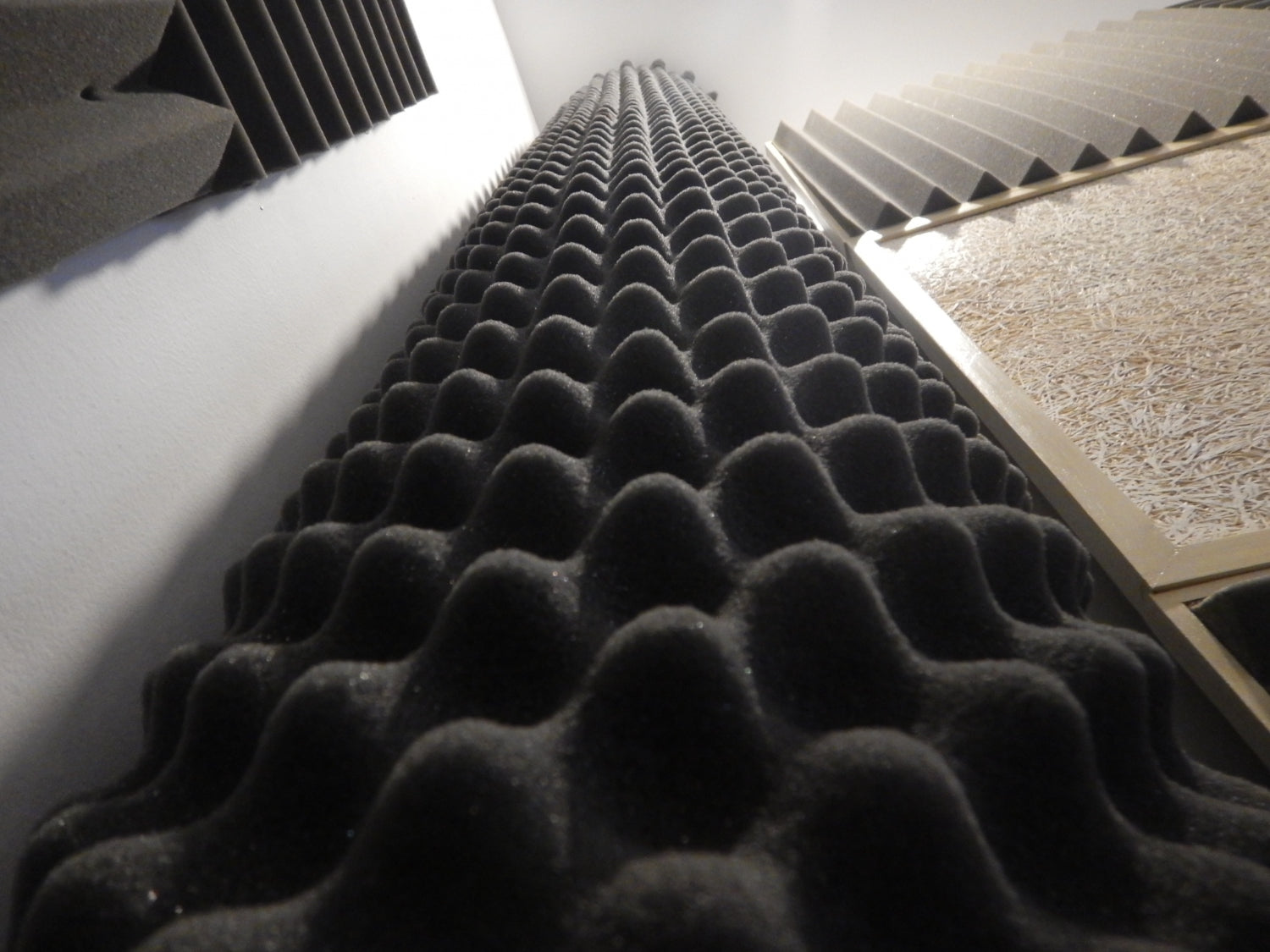
Acoustic panels are developed to absorb sound energy rather than reflect it. When you place them strategically around an open-plan office, they reduce reverberation and make the room sound calmer and more controlled. In most open-plan workplaces, the best results come from a combination of:
Wall-mounted sound-absorbing panels Installed on large, bare walls to absorb reflections and break up long sound paths.
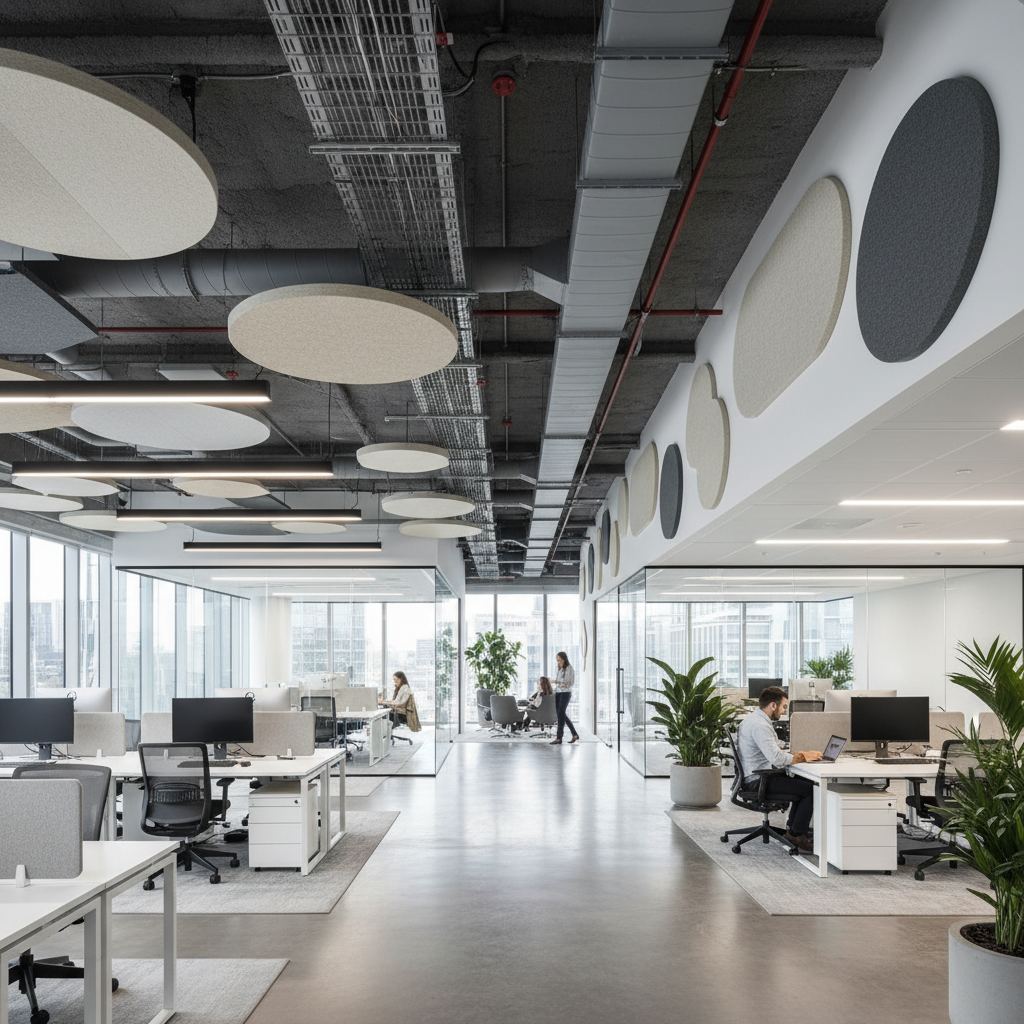
Ceiling sound-absorbing panels or baffles Suspended or fixed to the ceiling to catch sound that would otherwise bounce around the whole space.
Localised treatment above key areas For example, above desk clusters, collaboration zones or breakout spaces.
A typical scenario might look like this: In a 30-desk open-plan office, we might recommend wall panels along two large walls plus a series of ceiling panels or baffles above the main desk area. This combination reduces overall reverberation and makes conversations clearer without changing the layout of the room.
Because Advanced Acoustics manufactures panels in the UK, we can tailor the size, thickness and finish to suit your office and your budget.
Where to Start in Your Office
If you're not sure where to begin, start with a simple audit:
Walk the space and listen
Clap your hands in different areas. If you hear a strong �ring� or echo, that's a sign the room is highly reverberant.
Identify the noisiest zones
Sales floors, call centres, printer areas and kitchens often cause the most disruption.
Note large bare surfaces
Long walls, high ceilings and glass partitions are prime candidates for treatment.
Take photos and measurements
Basic room dimensions and a few photos are usually enough for us to make initial recommendations.
If you send us this information, we can advise on how many panels you're likely to need and where to position them for the best results.
Office Acoustic Panels from Advanced Acoustics
At Advanced Acoustics we've been helping offices, studios and commercial spaces improve their acoustics for over 20 years. Our office acoustic options include:
Wall-mounted acoustic panels in standard and custom sizes
Ceiling panels and baffles for open-plan spaces
UK-made products independently tested for performance
Panels that comply with UK fire regulations, suitable for commercial use
We can work directly with office managers, business owners, interior designers and fit-out contractors to design a option that fits your space and your brand. If your open-plan office is too loud or echoey, we can help.
The next step? Explore our Office Acoustic Panels Page and tell us a bit about your room. We'll recommend a practical, cost-successful way to reduce echo without rebuilding your office.
Previous: Why Office Acoustic Panels Fail to Reduce Echo in Shared Meeting Rooms
Next: A Beginner's Guide to Acoustic Tiles and Where to Use Them
Visit the Advanced Acoustics Ltd website for more information on How to Reduce Echo in an Open-Plan Office (Without Rebuilding Walls)
ENQUIRY FORM