How to Create a Home Theatre with Acoustic Solutions
31/12/2024
Choosing the right room for your home theatre is the starting point. You need to consider factors like room size, shape, and location. A room that is too small might cause sound to be too loud and distorted, while a large room may require more acoustic treatments to manage echoes. The shape of the room as well affects how sound travels. Rooms with hard, reflective surfaces can cause unnecessary noise, so having a plan for managing acoustics is essential.
Once you've picked the perfect room, it's time to think about the types of acoustic options you'll need. Acoustic panels, bass traps, and diffusers each play a role in controlling sound.
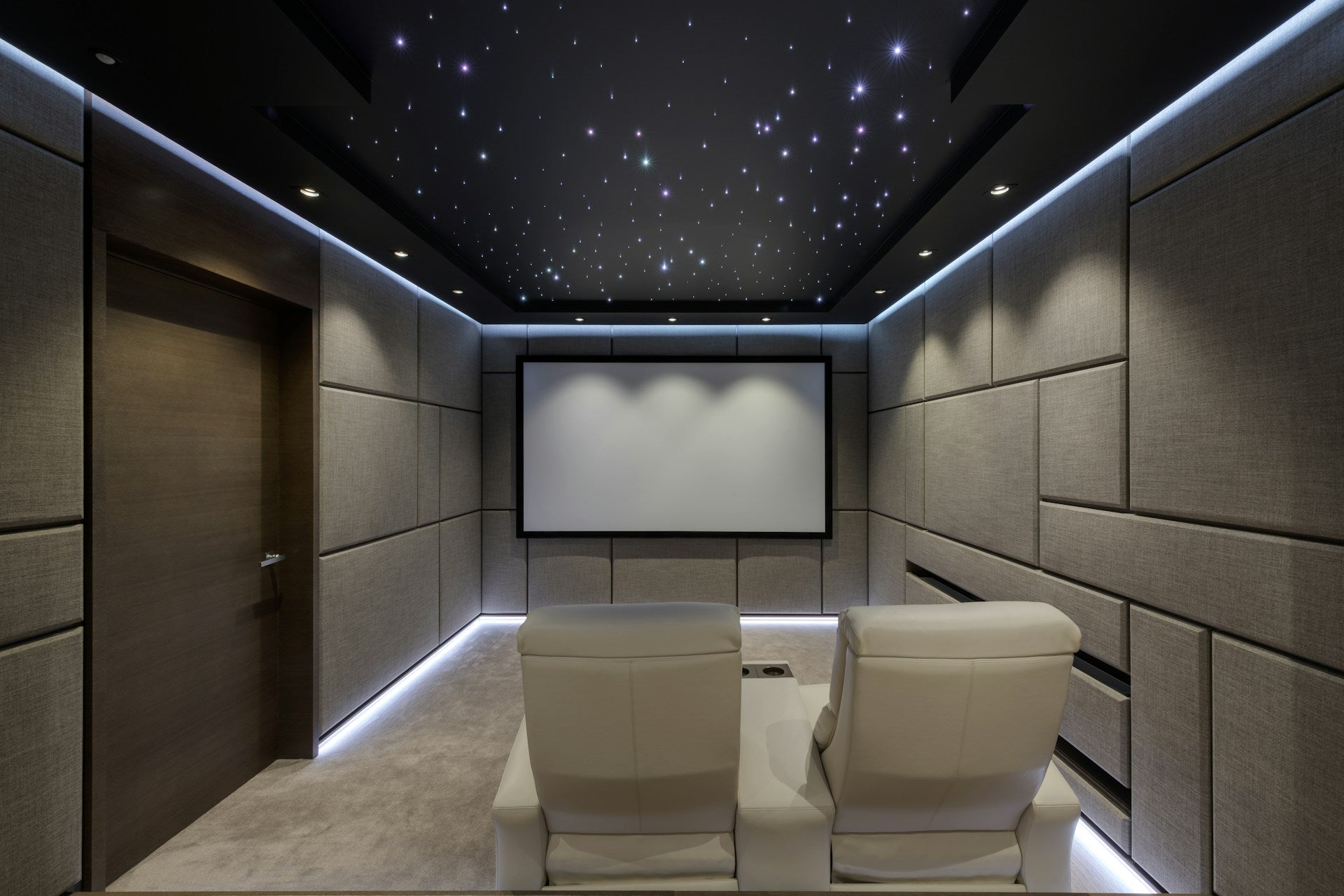
Installing these correctly can transform your room into a true home theatre, offering a cinematic audio experience right at home. Understanding the basics of sound and learning how to optimise your room will help you achieve great audio results.
Choosing the Right Room for Your Home Theatre
Factors to Consider
When selecting a room for your home theatre, consider several key factors:
1. Room Size: A room that is too large can make the sound feel distant, while a very small room can cause sound to be overpowering and muddled. Aim for a medium-sized room that can comfortably fit your seating and equipment.
2. Room Shape: Rectangular rooms are well suited to home theatres. Square or oddly shaped rooms can cause sound waves to bounce unpredictably, leading to poor acoustics.
3. Location: Choose a room far from noisy areas like the kitchen or street. Basements frequently work well as they are naturally isolated from everyday household noise.
Importance of Room Acoustics
Room acoustics play a critical role in your home theatre's sound quality. Good acoustics enhance your listening experience by reducing echoes and unnecessary noise. You'll enjoy clearer dialogue and more immersive sound effects. Poor acoustics can make sounds clash and overlap, spoiling the experience. By investing in acoustic treatments like panels and bass traps, you control how sound interacts within the room. This focus on acoustics helps create an environment where every movie and song sounds just right.
Essential Acoustic Solutions for Home Theatres
Types of Acoustic Panels
Different types of acoustic panels serve specific purposes in managing sound:
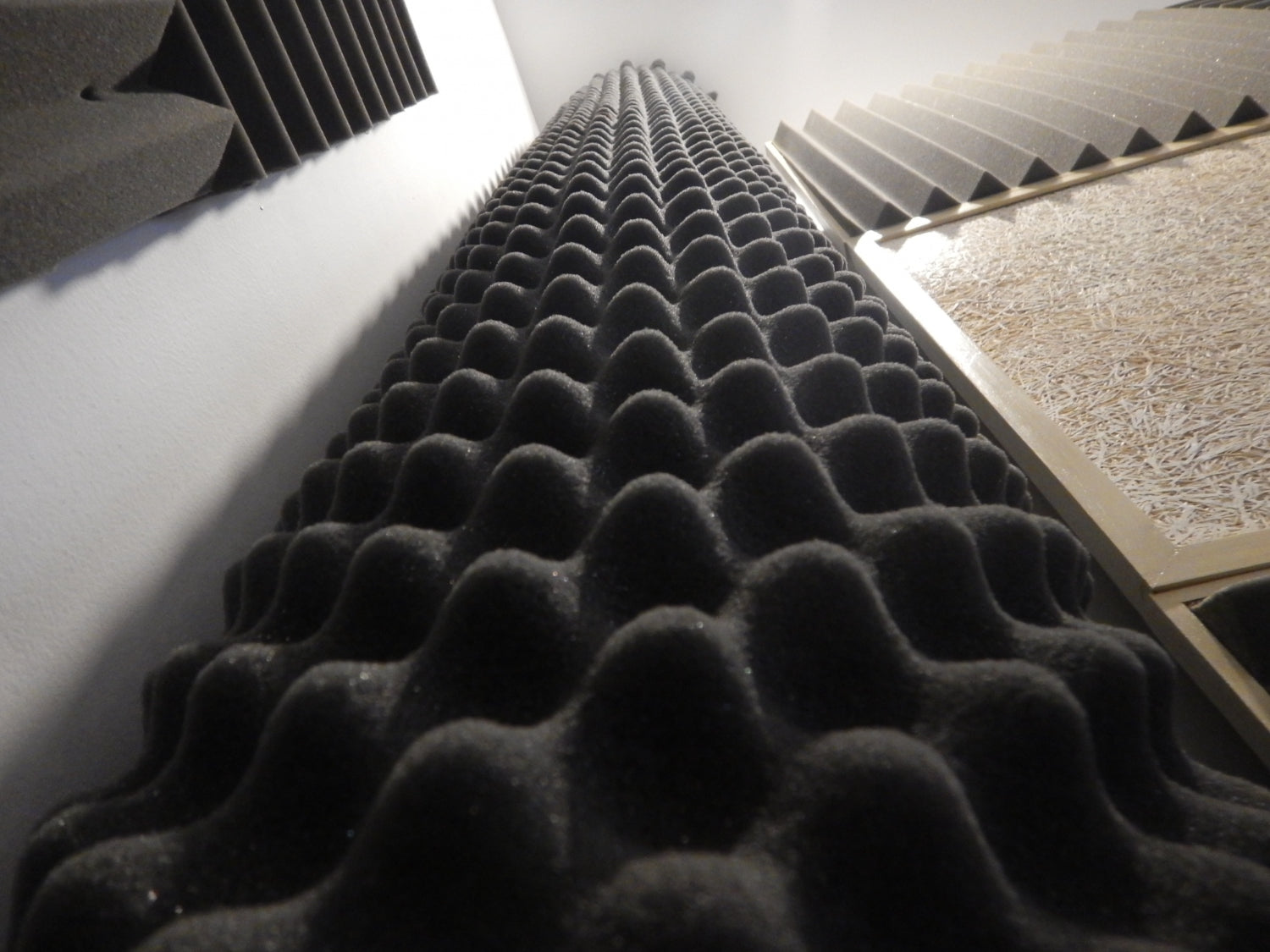
1. Foam Panels: These are lightweight and successful at absorbing mid and high-frequency sounds. They are easy to install and budget-friendly.
2. Fibreglass Panels: These offer better acoustic absorption across a broader range of frequencies. They are more durable but can be pricier.
3. Fabric-Wrapped Panels: These panels combine acoustic absorption with aesthetic appeal. They come in various colours and patterns, allowing them to blend seamlessly with your decor.
Bass Traps and Diffusers
For comprehensive sound management, include bass traps and diffusers:
1. Bass Traps: These are developed to absorb low-frequency sounds that basic panels might miss. Placing them in corners helps manage bass buildup, creating a balanced sound.
2. Diffusers: Unlike absorbers, diffusers scatter acoustic waves. This scattering reduces echoes without deadening the room, maintaining a lively sound environment.
These acoustic options, when used together, transform your home theatre's sound quality, making every viewing and listening experience much more enjoyable.
Step-by-Step Guide to Installing Acoustic Solutions
Preparing the Room
Before you install any acoustic options, prepare your room properly. Start by clearing out unnecessary items and cleaning the space. Remove dust and debris to ensure adhesives and panels stick well. Measure the walls and ceiling to plan where you'll place each panel, bass trap, and diffuser. Use a pencil to mark these positions, ensuring even spacing for optimal sound management.
Installation Tips and Techniques
Follow these steps to install your acoustic options:
1. Gather Tools: You will need a measuring tape, pencil, adhesive, level, and a ladder.
2. Install Foam Panels: Apply adhesive to the back of each foam panel. Press them onto your marked spots, starting from the top and working your way down. Use a level to ensure they are straight.
3. Place Bass Traps: Position bass traps in the corners of the room where low-frequency sounds tend to accumulate. Secure them with heavy-duty adhesive or brackets.
4. Add Diffusers: Install diffusers on the walls and ceiling to scatter acoustic waves and reduce echoes. Ensure they are evenly distributed to maintain balance.
5. Check Everything: Once installed, double-check that all panels are secure and level to maintain an even sound environment.
Enhancing the Home Theatre Experience
Optimising Speaker Placement
Proper speaker placement is vital for achieving the best sound quality in your home theatre. Follow these tips for optimal placement:
1. Front Speakers: Place front left and right speakers at ear level, angled slightly towards the seating area. The centre speaker should be directly in front, either above or below the screen.
2. Surround Speakers: Position surround sound speakers on the sidewalls, slightly above ear level. Angle them towards the seating area for immersive sound.
3. Subwoofer: Place the subwoofer near a corner for enhanced bass response. Experiment with placement to find the spot where it sounds best.
Additional Tips for Perfect Sound Quality
To further enhance your home theatre experience:
1. Control Light and Glare: Use dark-coloured walls and blackout shades to reduce light reflections and improve visual quality.
2. Add Rugs and Soft Furnishings: These help absorb sound, reducing unwanted echoes and improving overall acoustics.
3. Maintain Equipment: Regularly clean your speakers and check for updates to ensure they deliver optimal performance.
Conclusion
Creating the perfect home theatre goes beyond just having a big screen and comfortable seats. Acoustic options play a crucial role in enhancing the audio experience, making every movie night or gaming session special. By choosing the right room, installing sound-absorbing panels, bass traps, and diffusers, and optimising speaker placement, you ensure the best possible sound quality.
Remember to consider every aspect, from room preparation to ongoing maintenance, to keep your home theatre performing at its best. With these steps, you can enjoy a cinema-quality experience right at home.
For premium acoustic options, visit Advanced Acoustics. Let us help you transform your home theatre into the ultimate entertainment space.
Previous: Identifying and Fixing Acoustic Panel Installation Mistakes
Visit the Advanced Acoustics Ltd website for more information on How to Create a Home Theatre with Acoustic Solutions
ENQUIRY FORM