How To Choose The Best Acoustic Foam For Your Home Studio
10/04/2025
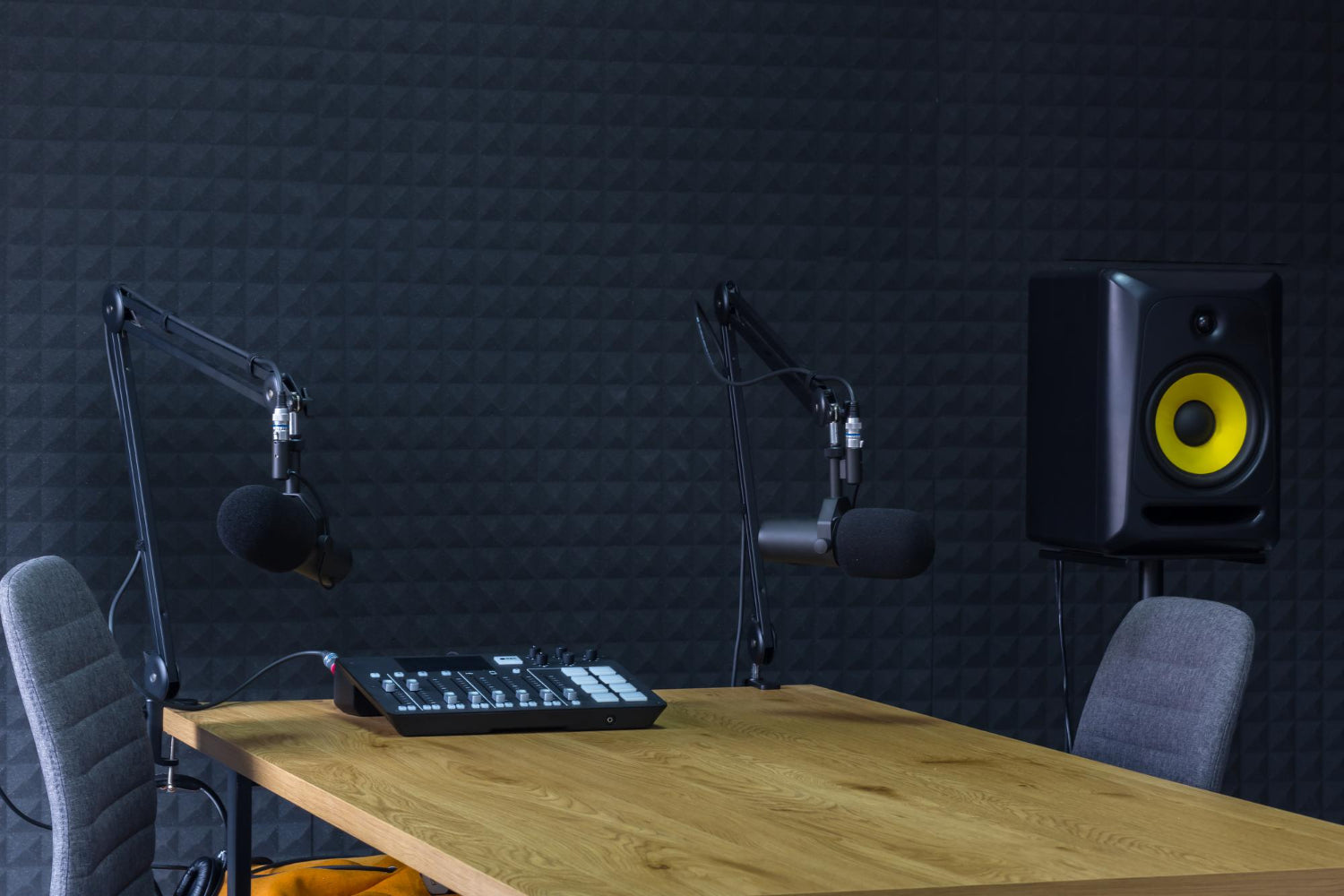
Many home studios face common challenges such as unnecessary noise, echoes, and sound anomalies. These problems can compromise the integrity of recordings and affect overall performance. With the right acoustic foam, these problems can frequently be minimized or even eliminated. By carefully selecting foam appropriate for your specific space, you can vastly improve both the quality of your recordings and the overall acoustics of your studio.
Understanding Acoustic Foam
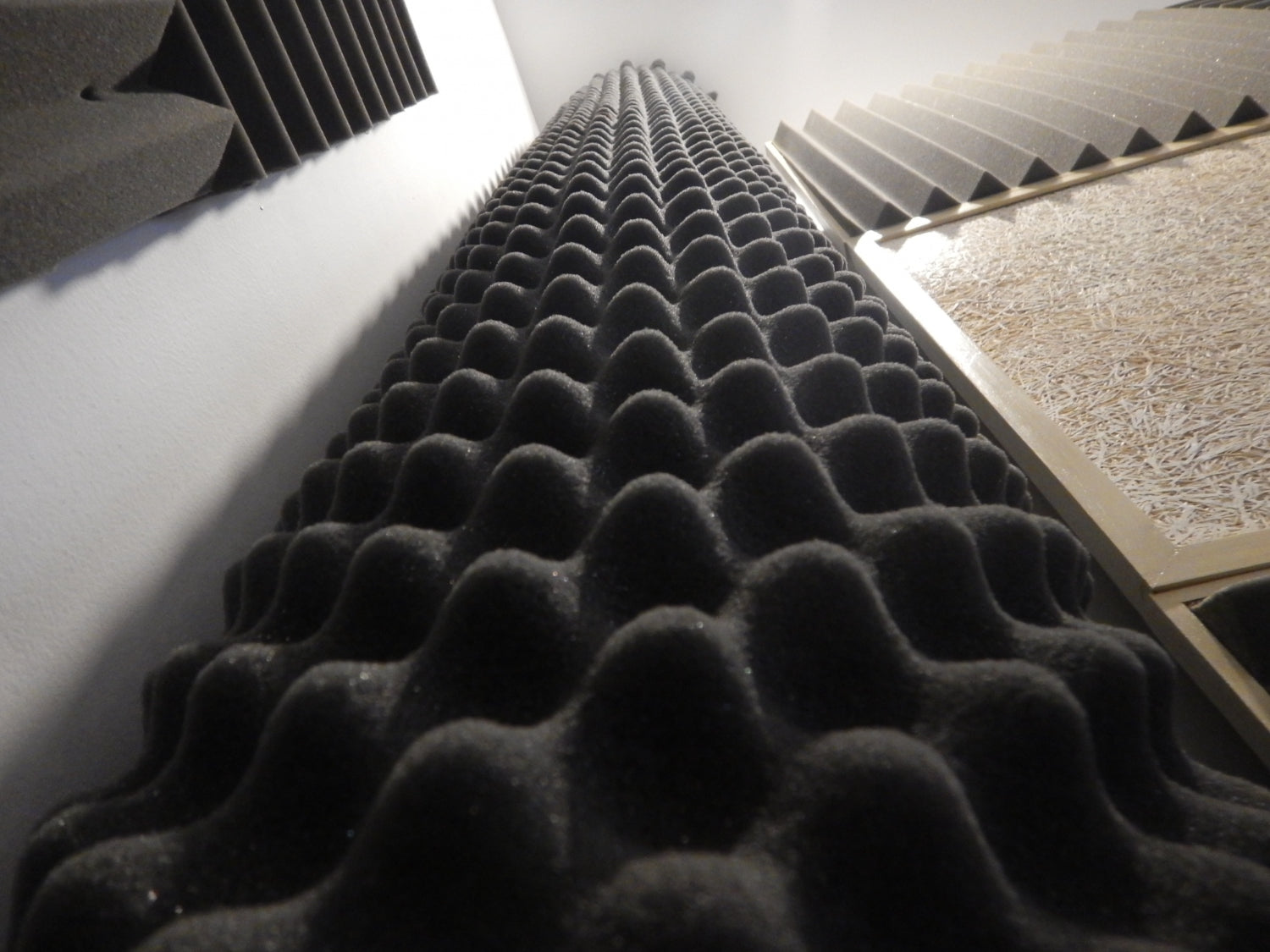
Acoustic foam is a specially designed material used to control sound reflections and dampen noise within a room. Unlike regular foam, its unique texture and cell structure enhance its ability to absorb sound. The primary function of sound-absorbing foam is to reduce reverberation and echoes, which can otherwise distort recordings and performances. By absorbing these acoustic waves, it helps to create a more controlled and pleasant acoustic environment.
There are several kinds of sound-absorbing foam on offer, each serving distinct purposes. Some foams are designed for high-end sound absorption while others are structured for general noise control. They vary in shape, colour, and thickness, and are frequently cut into panels or tiles that can be easily fitted into different spaces. Pyramid and wedge designs are particularly popular due to their successful sound-absorption capabilities. Choosing the right type usually depends on the nature of the room and the specific acoustic problems that need addressing.
Factors to Consider When Choosing Acoustic Foam
When deciding on sound-absorbing foam for your studio at home, it's essential to consider several factors to ensure optimal sound quality and efficiency:
- Room Size and Shape: The dimensions of your room considerably affect acoustics. Larger rooms may require more foam panels, while oddly shaped spaces might need custom foam options. Consider where sound is bouncing off surfaces and fill those areas with foam strategically.
- Density and Thickness: Thicker and denser foam normally offers better sound absorption, especially at lower frequencies. Consider foam that matches the primary frequencies you are dealing with in your studio.
- Placement: Proper placement is critical for achieving the best sound quality. Usually, it's advisable to position foam behind speakers, on the wall parallel to your speakers, and on the ceiling if needed.
Understanding these elements can guide you in choosing the most suitable sound-absorbing foam, leading to enhanced sound quality and a professional recording environment.
Common Mistakes to Avoid
When setting up sound-absorbing foam in your studio at home, it's easy to get a few things wrong if you're not careful. Recognizing these mistakes beforehand can help avoid a lot of hassle and ensure your studio sounds its best.
One frequent error is using the wrong type of foam for your needs. Not all foam is created equal, and picking one that's too thin or of the wrong material can have little to no effect on your sound quality. It's significant to choose foam that corresponds to the specific audio frequencies you're dealing with. Another common mistake is poor placement. Simply sticking foam in random places might seem helpful, but it won't successfully diminish unnecessary noise or reflections. Focus on putting foam where it will do the most good, like where sound tends to bounce the most.
Improper installation is another pitfall. Foams not properly affixed to walls or ceilings can slip, reducing their effectiveness. Consider using appropriate adhesives designed specifically for acoustic foam to keep panels firmly in place. Also, a lot of people overlook corners where low frequencies tend to gather, but setting up bass traps can help capture these sounds.
Benefits of Professional Installation
While many prefer the hands-on approach of installing foam themselves, having professionals do the job can have a noticeable impact in terms of results. Professional installers not only have the experience but as well the tools necessary to check that sound-absorbing foam is placed correctly for maximum sound absorption. They can assess your studio's unique acoustic challenges and address them with precision.
Besides assuring correct installation, experts help avoid issues later on. They can recommend the right type and configuration of foam appropriate for your specific needs, something that might be hard to determine without experience. A professionally treated studio doesn't just sound better�it can save you time and resources by getting everything right on the first attempt.
Enhancing Your Sound Studio's Acoustics
A well-constructed acoustic setup transforms your recording environment. By making informed choices about room characteristics and foam type, and avoiding common pitfalls, you set the stage for a sound that's clear and professional. The right sound-absorbing foam doesn't just change the way sound travels through your studio; it elevates your overall production quality.
Remember, choosing sound-absorbing foam is about more than just picking a product off the shelf. It's about understanding how sound works in your room and adjusting your approach to suit those needs. Investing the time to select and install the best sound-absorbing foam pays off with recordings that sound clean and refined, a result any musician or audio enthusiast would desire.
To take your home studio to the next level, explore the wide range of�sound-absorbing foam options offered by Advanced Acoustics. Whether you're setting up a new space or enhancing an existing one, their selection will help you achieve the perfect sound environment. Visit their site today to see how these products can work for your studio.
Previous: Identifying and Fixing Acoustic Panel Installation Mistakes
Visit the Advanced Acoustics Ltd website for more information on How To Choose The Best Acoustic Foam For Your Home Studio
ENQUIRY FORM