How Much Studio Foam Do You Really Need?
28/08/2025
Setting up a studio�whether it's at home or in a professional space�means getting your acoustics right. But among the most frequent questions we hear at Advanced Acoustics is: How much studio foam do I actually need?
Let's break it down so you can treat your space with confidence, not guesswork.
Why Getting the Right Amount Matters
Too little foam, and you'll still struggle with echo, flutter, and unwanted reflections. Too much, and your room can sound �dead� or unnatural (plus, you'll spend more than you should). The key is balance: enough coverage to control sound, while keeping the room lively and accurate.
What Factors Affect How Much Foam You Need?
Every room is different, but here are the main things to consider:
Room Size:�Larger rooms need more foam.
Room Shape:�Odd shapes or lots of corners may require extra treatment.
Usage:�Mixing, recording, podcasting, or practicing?
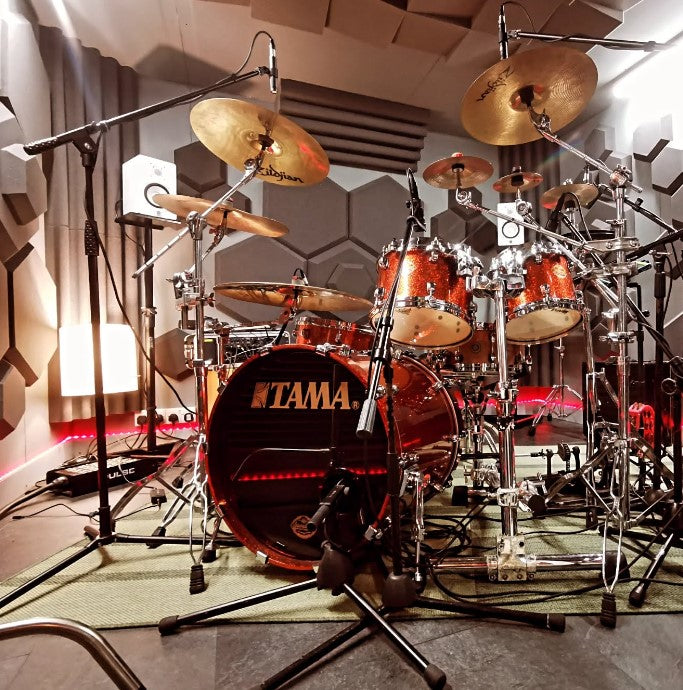
Critical listening spaces frequently need more control.
Surface Materials:�Bare walls, windows, and hard floors reflect more sound.
Budget & Expectations:�There's always a �good, better, best� approach.
The 20�30% Rule of Thumb
For most studios, treating 20�30% of the total wall and ceiling surface area is a solid starting point. This usually means:
Small home studios (3x3m or 10x10ft):
Around 80-130 standard 12" (30cm) foam tiles
Medium rooms (4x4m or 13x13ft):
120�190 tiles or a combination of tiles and panels
Larger or irregular spaces:
May need additional bass traps, corner pieces, or custom solutions
Pro Tip: Start with the first 20%, listen, and add more if needed�especially at early reflection points and behind monitors.
Where Should You Place Studio Foam?
First Reflection Points:�Side walls, ceiling above your listening position
Behind Monitors/Speakers:�To catch direct sound
Back Wall:�To reduce slapback echo
Corners:�Consider bass traps for low-end control
A balanced approach�mixing foam tiles, panels, and bass traps�normally gives the best results.
Real-World Example
Let's say you have a 12x10ft (3.6x3m) room:
Total wall area : roughly 43m�
20% coverage = 8.7m�
Each 12" tile covers about 0.09m�
You'll need about�100 tiles�for 20% coverage (or mix with panels for flexibility)
Still Unsure? Let the Calculator Do the Work!
We know math isn't everyone's favourite part of building a studio. That's why we've created a simple calculator to take the guesswork out of it.
Just enter your room dimensions and get a tailored recommendation for the right amount of foam for your space.
Ready to find your perfect setup? Use our Acoustic Foam Calculator now!
If you have any questions or want personalised advice, our team is always happy to help, just call,�email, or use our live chat.
Happy treating!
Previous: Identifying and Fixing Acoustic Panel Installation Mistakes
Visit the Advanced Acoustics Ltd website for more information on How Much Studio Foam Do You Really Need?
ENQUIRY FORM