Effectively Treating Sound Issues in High-Ceiling Rooms
04/02/2025
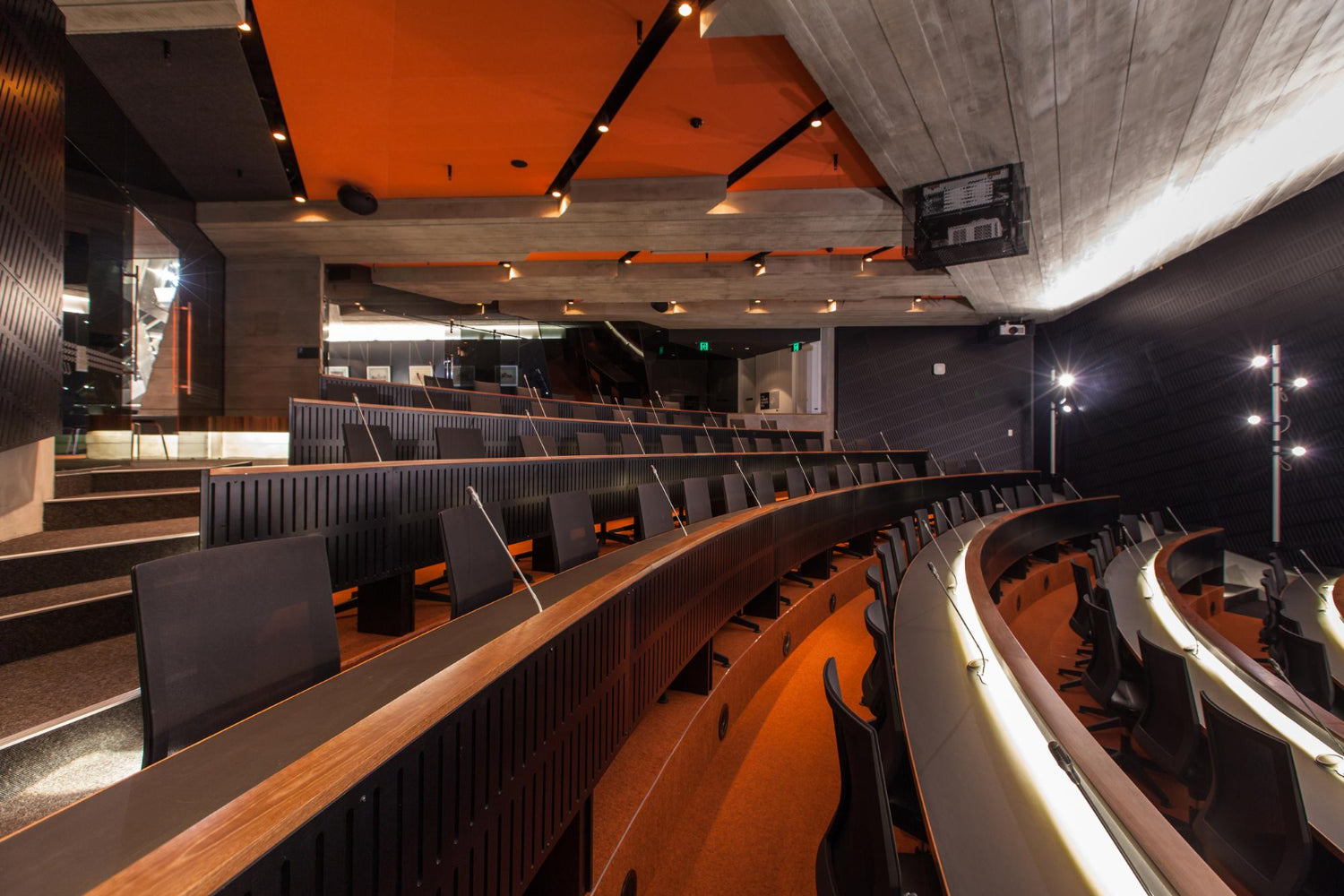
These sound issues can impact various settings, from home cinemas to auditoriums, making it hard to communicate or enjoy high-quality audio. Whether it's difficulty in hearing conversations or distorted music, the effects of high ceilings on acoustics can be quite bothersome.
By understanding the unique sound dynamics of high-ceiling rooms, you can explore options that suit your needs. From choosing the right acoustic treatments to strategically placing them, enhancing audio quality is entirely achievable. With some adjustments, you can transform your room into an acoustically pleasing environment that retains its grandeur without compromising functionality.
Identifying Sound
Issues in High-Ceiling Rooms
High-ceiling rooms, while visually appealing, come with certain acoustic challenges. The large, open spaces allow acoustic waves to travel longer distances, often bouncing off walls, floors, and ceilings. This can create unwanted echoes and reverberations that distort sound clarity. Common problems in these rooms include excessive echo, which makes it difficult to hear distinct conversations or enjoy clear music.
The height and volume of the room contribute to poor sound distribution. High ceilings mean there's more distance for acoustic waves to cover before dissipating. Consequently, sounds tend to reflect multiple times before fading, leading to an overlap of sounds. This phenomenon can cause speech to sound muffled and music to lose its depth.
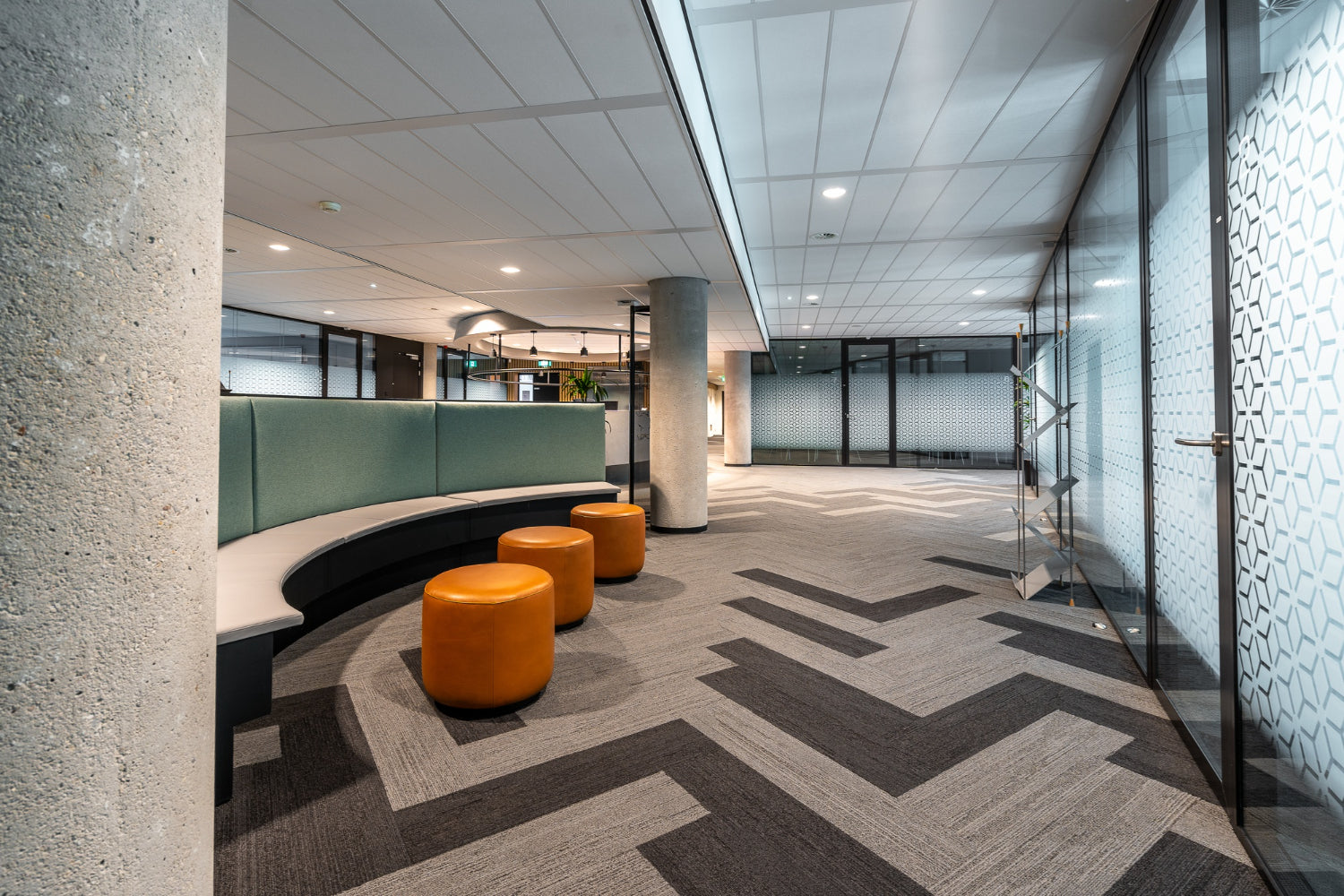
Moreover, hard surfaces like concrete or wooden floors and large glass windows further compound the problem. These materials reflect sound, thus exacerbating the echo. High ceilings amplify these effects, making spaces with minimal soft furnishings particularly problematic.
Recognising the impact of high ceilings on sound is the starting point towards finding an effective option. By understanding how these architectural features influence acoustics, you can better address the specific challenges, enhancing both audio quality and the overall experience in such spaces.
Acoustic Solutions for High-Ceiling Challenges
To tackle sound problems in high-ceiling rooms, utilising acoustic treatments can offer substantial improvements. These options are designed to absorb excess acoustic waves, thereby reducing echo and enhancing audio clarity. Here are some successful acoustic treatments appropriate for such environments:
- Acoustic Panels: Wall-mounted panels that absorb sound and minimise reflections.
- Ceiling Clouds: Suspended panels that target the high ceiling area to absorb sound directly from its source.
- Bass Traps: Designed to control low-frequency sounds, these are well suited to music rooms or studios.
- Diffusers: Spread sound evenly throughout the room rather than allowing it to reflect and concentrate.
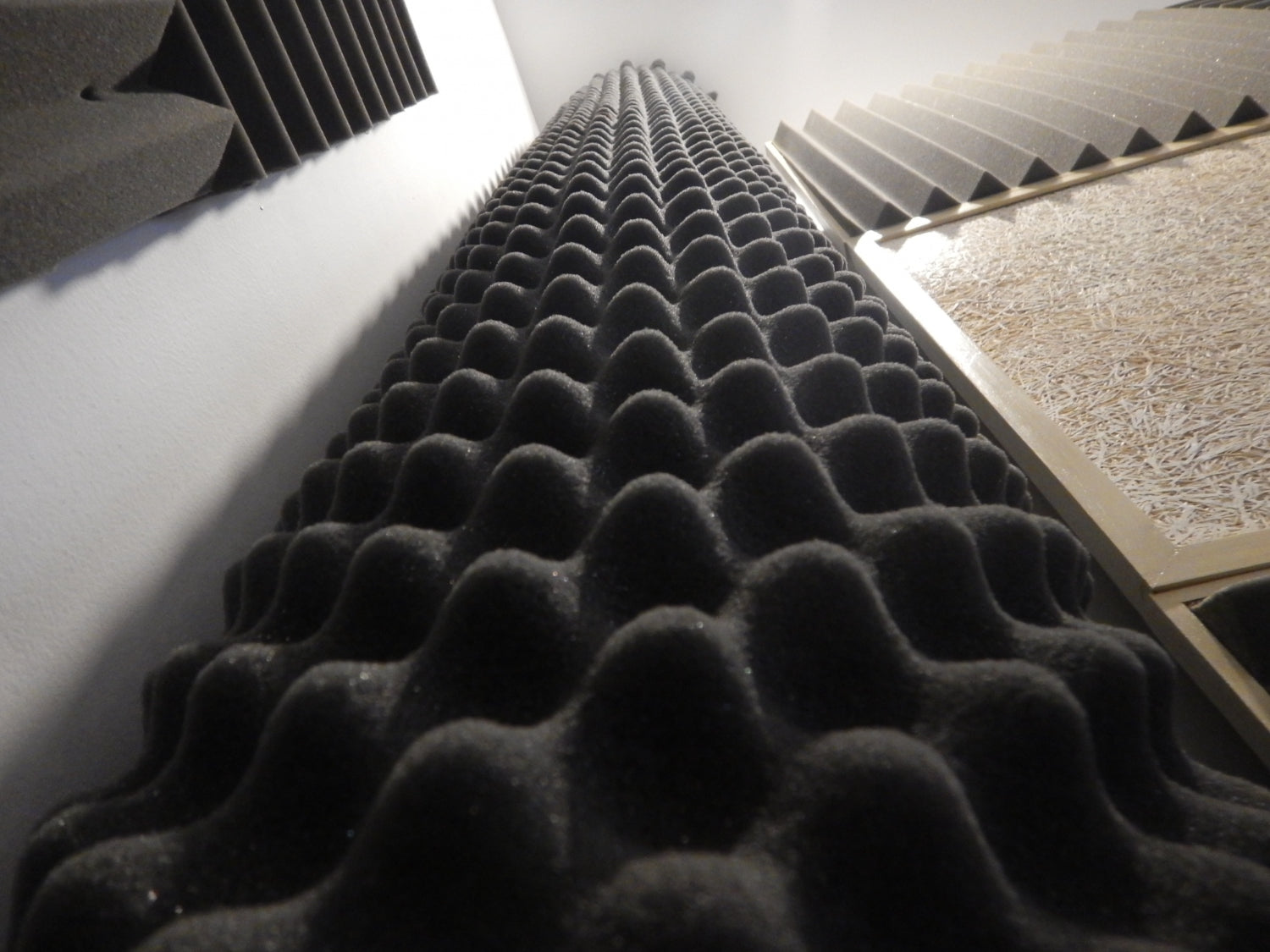
Using these treatments strategically can greatly enhance the acoustical properties of an area. It is crucial to choose materials with sufficient sound-absorbing capabilities. For example, denser materials or foams with contoured surfaces are more successful at trapping and reducing acoustic waves.
The correct use of acoustic treatments transforms a high-ceilinged room into a more usable and pleasant space, ensuring sound is neither overwhelming nor disruptive. By applying these options, you can enjoy clearer conversations, crisper music, and better overall sound quality.
Selecting the Best Acoustic Foam Products
Choosing the right sound-absorbing foam products is crucial for successfully managing sound problems in high-ceiling rooms. Different types of sound-absorbing foam cater to varying needs, so understanding their functions can help optimise your space.
Types of Acoustic Foam Products:
- Wedge Foam Panels: Best for absorbing mid to high frequencies, well suited to reducing general echo.
- Pyramid Foam Panels: Enhance absorption and diffusion, offering a balanced sound profile.
- Bass Traps: Perfect for capturing low frequencies, crucial for music rooms or home cinemas.
- Egg Crate Foam Panels: Offer versatile sound control for both speech and music.
When selecting the right foam, consider the specific problems your room faces. If echoes drown conversations, wedge foam panels can be successful. Music enthusiasts may benefit from combining bass traps with pyramid panels to manage both low and high frequencies.
Key criteria include the thickness and density of the foam, which influence its ability to absorb sound. Thicker, denser foams generally provide better absorption, especially for low-frequency sounds. Your room's size and purpose will also guide your choice, ensuring you address all sound problems comprehensively.
With the proper selection, sound-absorbing foam transforms challenging high-ceiling spaces into acoustically balanced environments, where sound clarity is greatly improved.
Implementation and Arrangement Tips for Best Results
Placing acoustic options correctly is vital to maximising their effectiveness. Thoughtful arrangement ensures that the room's unique challenges are addressed, reducing echo and enhancing sound quality.
Steps for Strategic Placement:
1. Identify Key Reflection Points: Use a mirror on the wall; where you see speakers or sound sources, consider placing panels.
2. Bass Traps First: Begin with bass traps in the corners where low-frequency build-up is common.
3. Mid-and High-Frequency Panels Next: Place foam panels at mid and ear level on walls adjacent to sound sources.
4. Ceiling Clouds as Needed: If the ceiling is very high, suspend acoustic clouds to absorb sound waves travelling upwards.
For best results, maintain symmetry in panel placement to ensure balanced sound distribution across the room. Avoid covering every surface - too much damping can deaden sound excessively. Instead, focus on the strategic areas that impact overall acoustics the most.
With these techniques, you can efficiently treat sound challenges in high-ceiling rooms, making them more enjoyable spaces for conversation or music.
Conclusion
Effectively treating sound problems in high-ceiling rooms requires a combination of the right products and strategic placement. By understanding the distinct acoustical challenges these spaces present, you can employ sound treatments that cater not only to your room's requirements but as well enhance its functionality.
Whether it's through selecting the most suitable sound-absorbing foam or meticulously planning their arrangement, each step contributes significantly to improving sound clarity and reducing unwanted echo. High-ceiling rooms can quickly transform from echoey halls into inviting, acoustically harmonious environments.
Discover how Advanced Acoustics can assist you in creating perfectly balanced spaces with our premium range of�acoustic foam products. Explore our options today to bring tranquillity and clarity to your space.
Previous: Identifying and Fixing Acoustic Panel Installation Mistakes
Visit the Advanced Acoustics Ltd website for more information on Effectively Treating Sound Issues in High-Ceiling Rooms
ENQUIRY FORM